

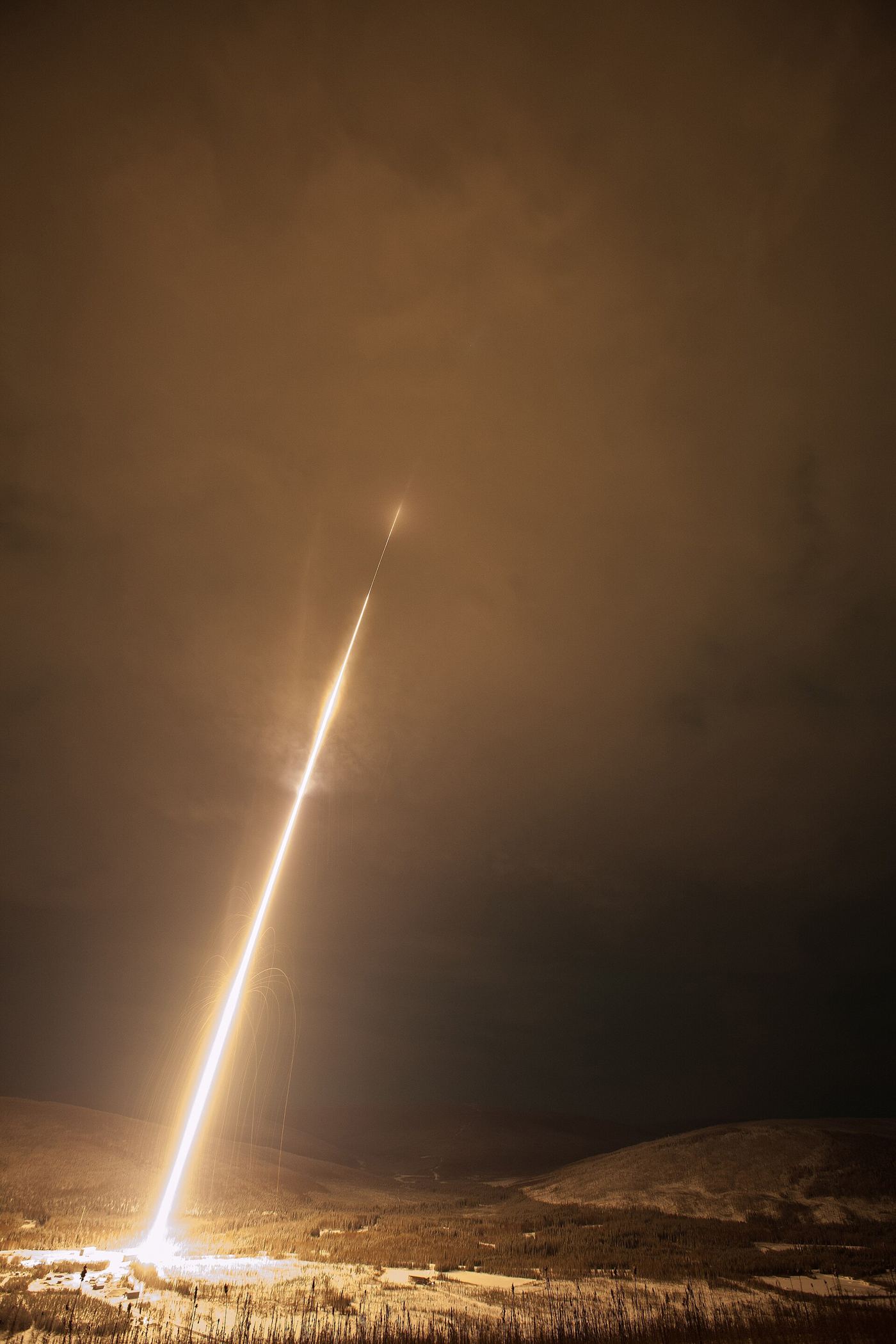
For its first half-century, spaceflight belonged to superpowers. Today, most of the mass humanity sends to orbit rides on commercial rockets, booked by private customers, insured by private underwriters and tracked by a growing industry of startups. Launch costs per kilogram have fallen by an order of magnitude since the shuttle era, and the consequences are rippling through science, communications and defence.
How the economics flipped
The turning point was reusability. Boosters that land and fly again transformed rockets from disposable fireworks into something closer to aircraft, and high launch cadences spread fixed costs across dozens of flights a year. Standardised satellite buses and rideshare missions let a university or a small startup buy a slice of a rocket rather than the whole vehicle. Agencies such as NASA have leaned into the shift, buying cargo and crew services commercially instead of owning every vehicle — a model now copied by space agencies on several continents.
What all that capacity enables
Orbit is filling with working infrastructure: broadband constellations serving ships, aircraft and remote villages; imaging satellites that photograph every point on Earth daily for farmers, insurers and disaster responders; and the first commercial space stations in development. The same abundance creates the era’s defining problems — congestion, debris and the risk of collisions that could cascade. Regulators are drafting traffic rules for a domain that never needed them before. Our science pages track the missions and the policy fights alike.
A race with many runners
Though one American firm dominates launch headlines, Europe, India, Japan and China are all expanding commercial capacity, and dozens of smaller launch companies are chasing niche markets. The new space race is less a duel than an ecosystem — messier, faster and far more inventive than the one that put flags on the Moon.
The workforce story mirrors the launch story. Rocket engineering, once confined to a few government centres, now employs tens of thousands across clusters in Florida, Texas, India and New Zealand, and the supply chain reaches into ordinary manufacturing towns making valves, composites and electronics. Universities report surging enrolments in aerospace programmes, fed by students who can watch a landing booster on their phones. Space has become a career, an industry and an investment theme — and increasingly, a utility the modern world quietly depends upon every day.
Investors have noticed the shift from spectacle to infrastructure. Money that once chased only launch vehicles now flows into the picks and shovels of orbit — propulsion components, ground stations, data analytics and debris tracking. Like the railways and the internet before it, space is maturing from a frontier adventure into a platform on which other industries are built. The companies that endure will be those selling something customers need monthly, not merely something spectacular once.