

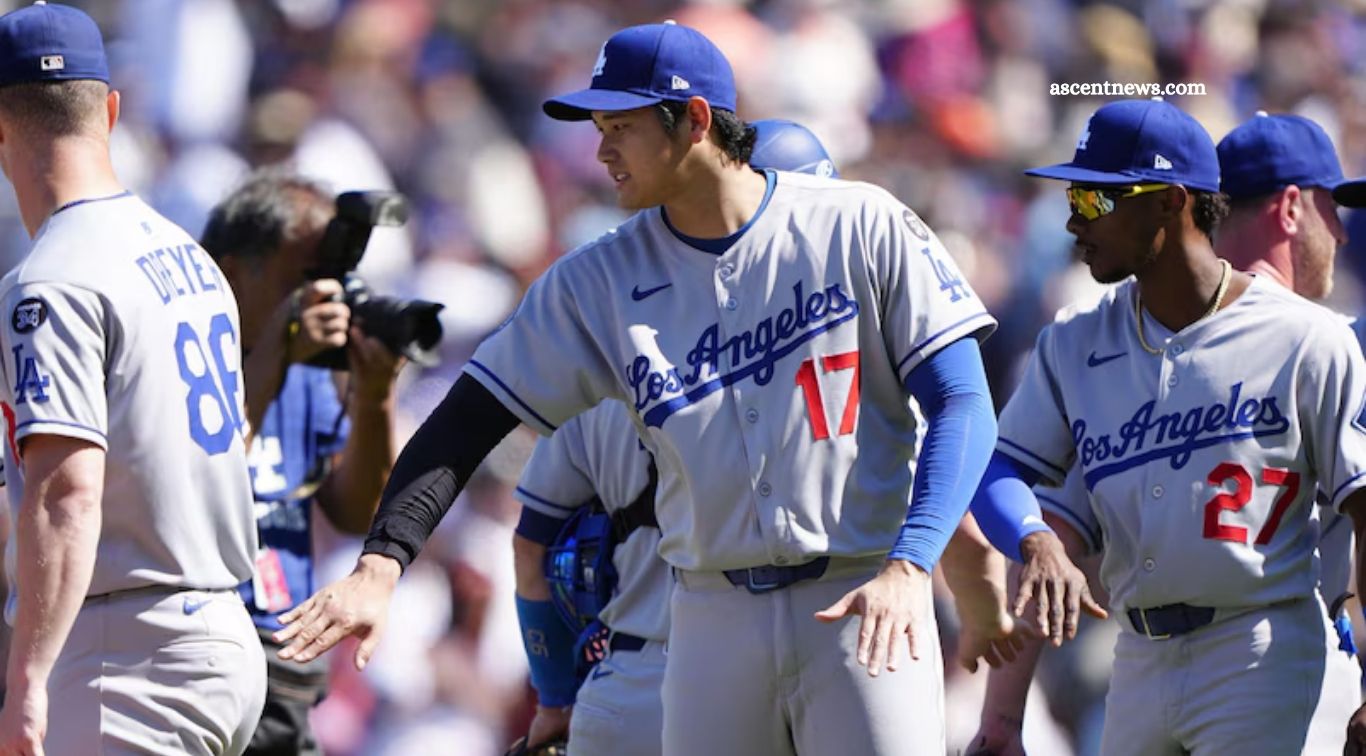
With the All-Star Game in the rearview mirror, MLB fans face a brief two-day pause before the 2025 season resumes its push toward the playoffs. It’s the perfect window to evaluate which World Series contenders truly have what it takes.
Let’s break down the top 10 teams with the best odds to win it all, according to DraftKings, in a game of “Buy or Sell?” Each of these clubs would make the postseason if the season ended today—but the bigger question is whether they’re built to survive October.
Current roster strength plays a big role, but so does potential. With the July 31 trade deadline approaching, a team’s spending power and prospect depth could significantly reshape its championship outlook.
Read More: Top 5 Edge Rushers Under 25 to Watch in the 2025 NFL Season
Milwaukee Brewers
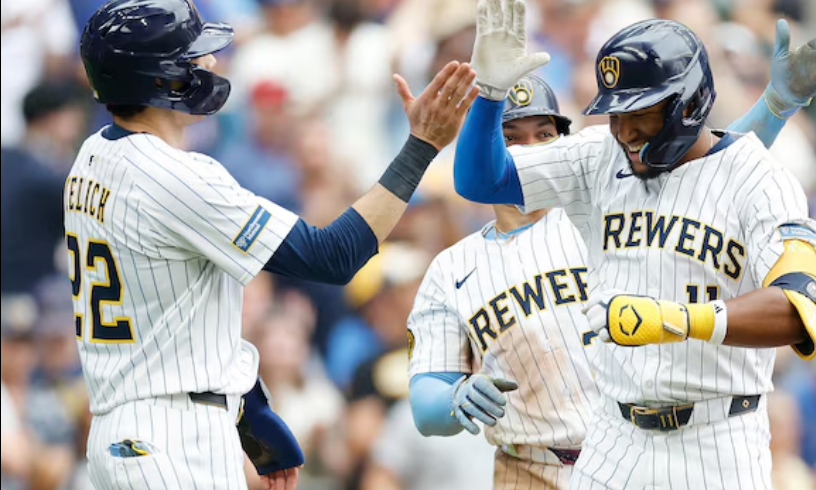
The Milwaukee Brewers have made impressive strides since their rough, homer-laden season opener in New York—and they’re only gaining momentum.
Heading into the All-Star break, the Brewers have won 17 of their last 22 games. Their +81 run differential now ranks ahead of powerhouse teams like the Los Angeles Dodgers and Philadelphia Phillies.
Strong pitching has played a key role. With a 3.66 ERA, Milwaukee ranks in the top 10 across MLB. Offensively, they’re averaging 4.76 runs per game—even as rising star Jackson Chourio continues to heat up, posting an .874 OPS over his last 30 contests.
But there’s one glaring concern: power hitting. The Brewers rank just 23rd in the league with 93 home runs—a troubling stat considering how vital the long ball has become for postseason success over the past decade.
While the trade market offers a chance to address this weakness, Milwaukee’s options may be limited. With top prospects Jacob Misiorowski and Jesús Made likely off-limits, the front office may be forced to bargain shop.
Looking ahead, the schedule won’t do them any favors. The Brewers face a tough second-half slate, and the return of Rhys Hoskins from the injured list remains weeks away. That could make overtaking the Chicago Cubs in the NL Central a serious challenge.
Seattle Mariners
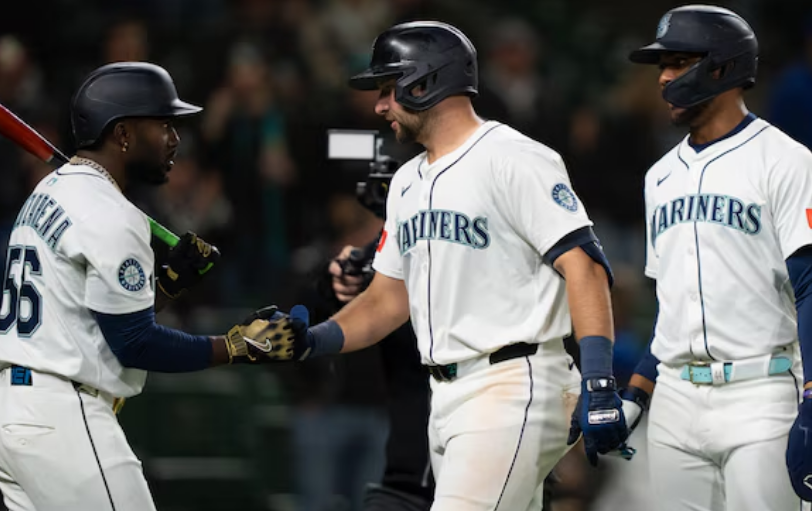
The Seattle Mariners showed flashes of brilliance—and inconsistency—in the first half of the 2025 season. Their final two series summed it up perfectly: a disappointing sweep followed by a dominant one.
Still, there’s real optimism for a steadier second half, and it’s not misplaced. Since June 13, Mariners pitchers have posted an impressive 3.49 ERA, gradually returning to the elite form that made Seattle’s staff the envy of MLB in 2024. If Logan Gilbert, George Kirby, and Bryan Woo stay in sync, they’ll be a nightmare matchup come October.
Offensively, consistency remains the biggest question. Cal Raleigh carried the load early, but late surges from Julio Rodríguez and Randy Arozarena suggest the lineup may finally be coming alive.
Seattle also appears poised to make a splash at the trade deadline. With MLB’s No. 1-ranked farm system—per B/R’s Joel Reuter—they have the prospect capital to make aggressive moves. Catcher Harry Ford, among others, could be a valuable trade chip.
With a deep pitching staff, home-run power, and high-upside talent, the Mariners already resemble a postseason threat. Add in some trade deadline reinforcements—and a little help from the law of averages—and Seattle could finally be on a path to its first-ever World Series appearance.
Toronto Blue Jays
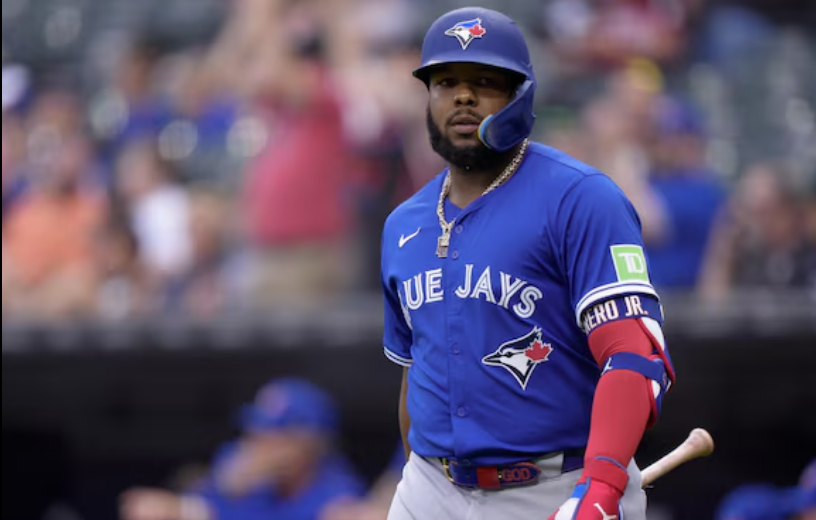
After sitting one game below .500 on May 28, the Toronto Blue Jays have surged to the top of the AL East by winning 29 of their last 42 games. It’s been a remarkable run—but their World Series odds remain surprisingly long.
Why the skepticism? Start with their run differential. At just +17, it suggests a team closer to 50 wins than 55. The Blue Jays are outperforming their underlying metrics, and several weaknesses are hard to ignore.
The starting rotation has been inconsistent, with José Berríos standing out as the lone dependable arm. The unit holds a collective 4.60 ERA, exposing a clear area of concern. Offensively, Toronto has shifted away from the power-driven approach that led MLB in home runs in 2021. Their current lineup leans more on contact and situational hitting.
Vladimir Guerrero Jr. remains a second-half breakout candidate—his 12 home runs don’t reflect his true talent. But beyond him, upside is limited. At 35, George Springer appears more likely to regress than rebound.
A trade could change the narrative. According to Bob Nightengale of USA Today, the Blue Jays have their eyes on ace Zac Gallen. If Toronto can pull off a blockbuster deal like that, their postseason potential—and World Series odds—could rise significantly.
Chicago Cubs
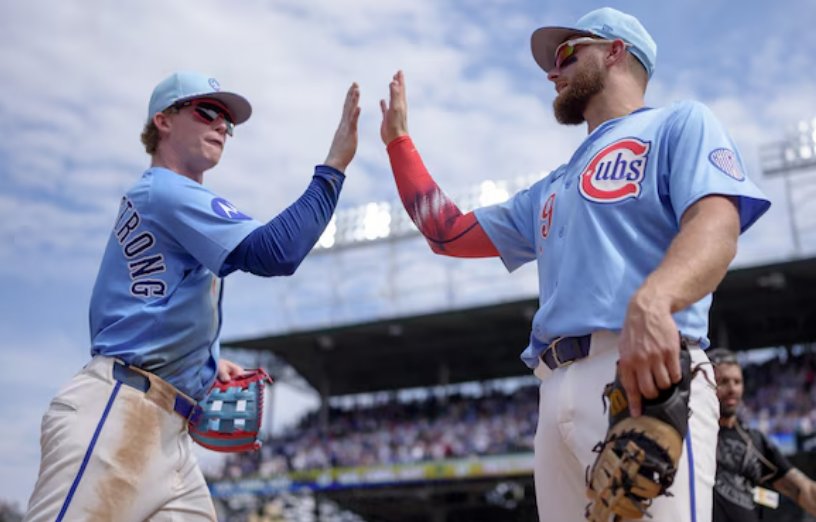
For the Chicago Cubs, the path to October success should center on making the playoffs and letting their high-powered offense take over from there.
Currently second only to the Dodgers in total runs scored, the Cubs might actually possess the more dangerous lineup. Their offense combines elite power—142 home runs—with aggressive speed, tallying 108 stolen bases. That dual threat becomes especially valuable in high-stakes postseason games.
Defensively, the Cubs are just as sharp. They’ve committed the fifth-fewest errors and rank fifth in MLB in Outs Above Average, proving their glove work is a real asset.
Pitching remains their biggest question mark. While the rotation has improved—posting a 3.54 ERA since Shota Imanaga returned from the IL on June 26—it still lacks depth. Fortunately, Imanaga looks every bit the ace they need for a playoff run.
That said, Chicago could be the most likely contender to swing big at the trade deadline. Mitch Keller has been linked to the Cubs, but a bold move for a true frontline arm like Sandy Alcántara would make a bigger impact.
Meanwhile, the bullpen has quietly become one of MLB’s best, with a 3.54 ERA—sixth-lowest in the league. Credit goes in part to manager Craig Counsell, whose bullpen management continues to be among the best in baseball.
Houston Astros
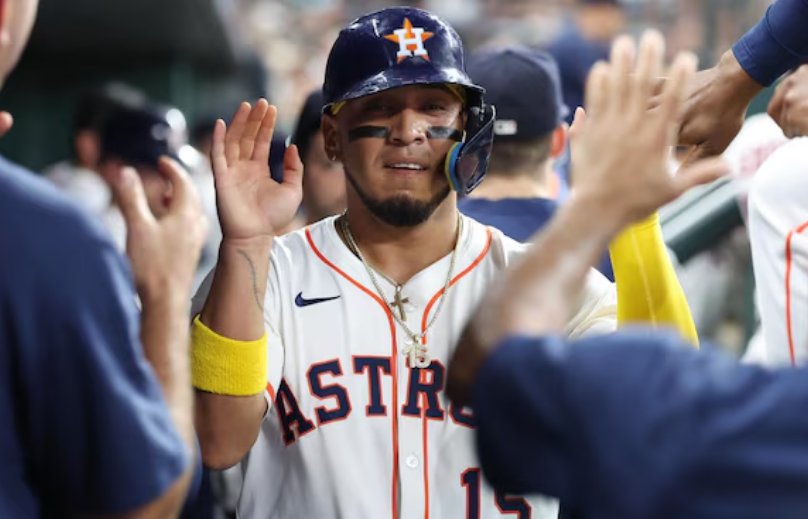
The Houston Astros stumbled into the All-Star break, dropping five of their last six games. And with 16 players on the injured list—including key contributors like Yordan Alvarez and Jeremy Peña—more turbulence could lie ahead.
Still, the bigger picture is playoff readiness, and there’s reason for optimism. The Astros expect several key returns as the summer progresses, including Alvarez, Peña, and pitchers Cristian Javier and Spencer Arrighetti.
Even now, Houston boasts a formidable foundation. Hunter Brown and Framber Valdez lead a rotation that can go toe-to-toe with any in the league. The bullpen, anchored by Josh Hader, has been lights-out, ranking third in MLB with a 3.30 ERA.
To round out their roster, the Astros will likely pursue a bat at the trade deadline. While their trade assets are limited, a mid-tier addition—such as Ryan O’Hearn or Cedric Mullins, both of whom reportedly interest them—could help boost offensive depth.
Despite the injuries, Houston remains one of the American League’s most dangerous teams. If they can finally reach full strength, their success will look far less like overachievement—and far more like another deep October run in the making.
New York Mets
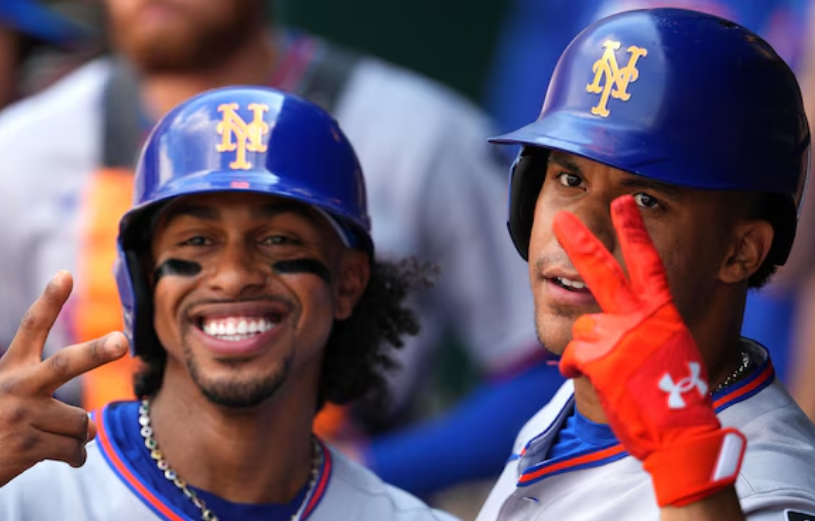
The New York Mets have left the door open for doubt, going just 10-18 since their impressive 45–24 start to the season.
There’s no questioning the star power at the top. Francisco Lindor, Pete Alonso, and Juan Soto continue to anchor the lineup, with Soto silencing all critics thanks to a staggering 1.130 OPS since May 31. On the mound, the Mets sport a 3.56 ERA—fourth-best in the league.
But much like the Detroit Tigers teams of the early 2010s, this roster feels distinctly top-heavy.
That imbalance is most noticeable in the lineup’s bottom half, which has noticeably underperformed—enough so that even president of baseball operations David Stearns has expressed concern. On the pitching side, the front end holds strong, but depth is lacking at the back of both the rotation and the bullpen.
The trade deadline presents an opportunity to address these flaws, though it’s a mixed bag. The good news: owner Steve Cohen has never hesitated to spend. The bad news: the farm system lacks elite prospects, which could limit their options on the market.
So, where does that leave the Mets? In short, still in the mix—but not yet built for a World Series run. Unless upgrades come soon, this roster doesn’t quite measure up to October’s toughest competition.
Philadelphia Phillies
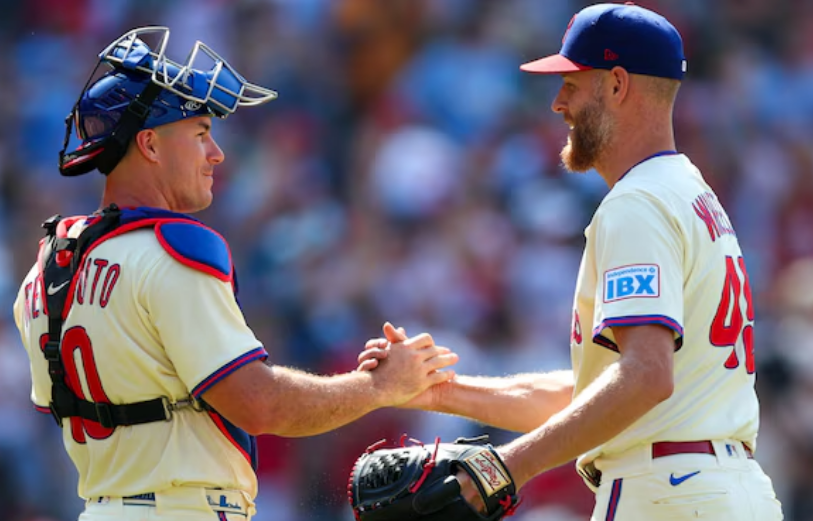
The Philadelphia Phillies may sit atop the NL East, but there’s growing concern that their championship window is starting to close—largely due to a sputtering offense.
On paper, this is a star-heavy lineup. In practice, it’s producing just 4.56 runs per game—barely above league average—and sits below average with 102 home runs. Outside of Kyle Schwarber’s consistent pop, the offense has been wildly inconsistent. Bryce Harper’s lingering wrist issues only add to the uncertainty.
The bullpen has been another major red flag. Phillies relievers own a 4.38 ERA and have regularly hurt, rather than helped, the team’s win probability. A late-inning upgrade is essential at the trade deadline—though if anyone is aware of that, it’s president Dave Dombrowski.
What’s keeping the Phillies in contention is their rotation, which has been dominant. Led by Zack Wheeler, the starting staff owns a league-best 3.22 ERA and has been the backbone of the team’s success.
But is that enough to carry them deep into October? Maybe not. Even with bullpen reinforcements, it’s hard to rely on a lineup that feels more like it’s aging out of its prime than powering up for a title run.
Detroit Tigers
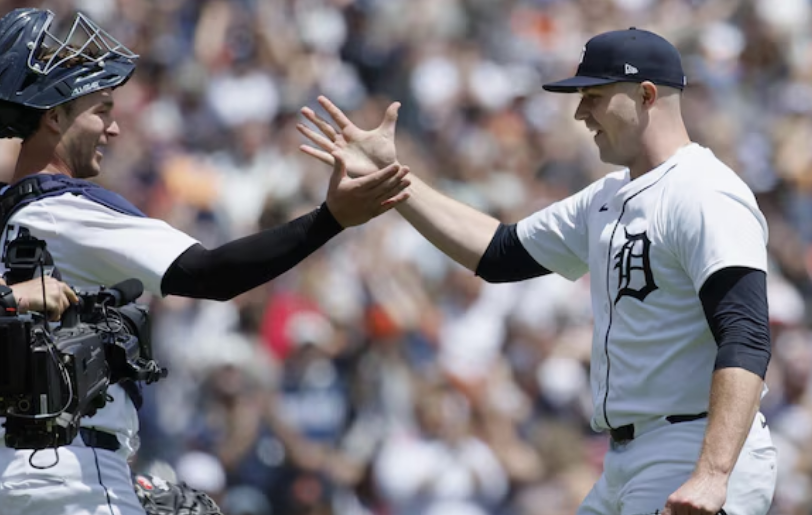
The Detroit Tigers entered 2025 with a point to prove—that their surprise breakout in 2024 wasn’t a fluke. By ending the first half with MLB’s best record, they’ve made a compelling case.
Unlike last season, when the offense barely scraped by, Detroit’s lineup is now a legitimate strength. Four Tigers earned All-Star nods, and the team has taken a significant power leap, improving its slugging percentage from .385 to .425.
It doesn’t hurt to have the best pitcher in baseball. Tarik Skubal was elite in 2024, but he’s somehow raised the bar in 2025—improving his ERA, WHIP, and strikeout-to-walk ratio across the board.
Still, there are red flags. Offensively, Detroit’s 23.1% strikeout rate is the highest among contending teams. On the flip side, the bullpen ranks near the bottom in strikeout rate at just 19.6%, limiting its late-game dominance. The rotation behind Skubal could also use an upgrade, adding another item to the Tigers’ trade deadline checklist.
The good news? President of baseball operations Scott Harris has a deep farm system and the financial resources to act boldly. While this isn’t a flawless roster, the Tigers’ power surge and Skubal’s ace-level dominance outweigh the flaws—for now.
If Detroit makes even moderate improvements at the deadline, this team should be taken seriously as a legitimate October threat.
New York Yankees
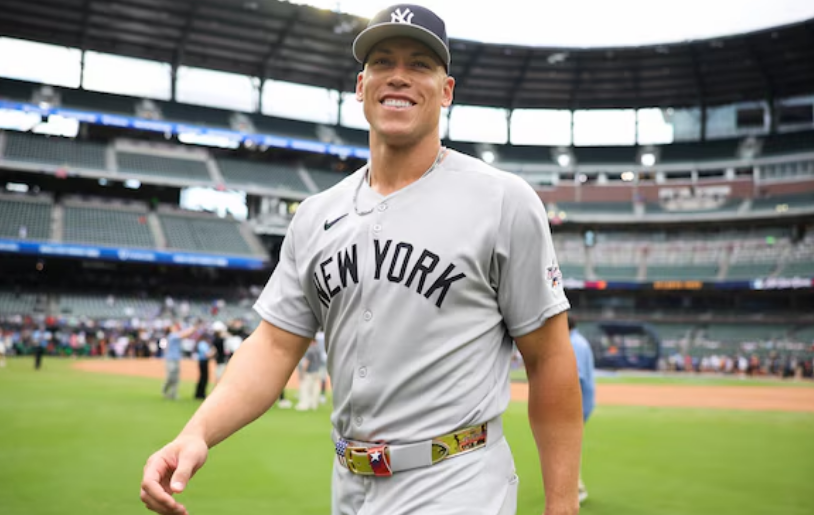
The New York Yankees hit a rough patch just as the Mets did, closing the first half with 18 losses in their last 29 games. But despite that slump, their World Series odds remain high—and for good reason.
This is still the reigning American League champion, boasting a +111 run differential and a league-leading 151 home runs. Aaron Judge continues to power the lineup with 35 homers, and while Juan Soto is no longer in the picture, Judge isn’t alone. His supporting cast, though inconsistent, has shown flashes of potential at the plate.
On the mound, the Yankees can lean on Max Fried and Carlos Rodón to front a playoff rotation. Their bullpen also packs a punch, ranking fourth in MLB in strikeouts per nine innings—proof of their swing-and-miss potential in high-leverage spots.
Still, depth is a growing concern. Clarke Schmidt’s injury leaves the rotation without a reliable No. 3 starter, and unless Luis Gil returns to 2024 form off the IL, the gap could widen. While the Yankees are actively shopping for infield and pitching help, their limited farm system and inflated payroll may restrict how aggressive they can be at the trade deadline.
Yes, the Yankees are contenders—but expectations may be slightly inflated. Given the roster holes and recent struggles, it’s fair to question just how strong a World Series threat they truly are right now.
Los Angeles Dodgers
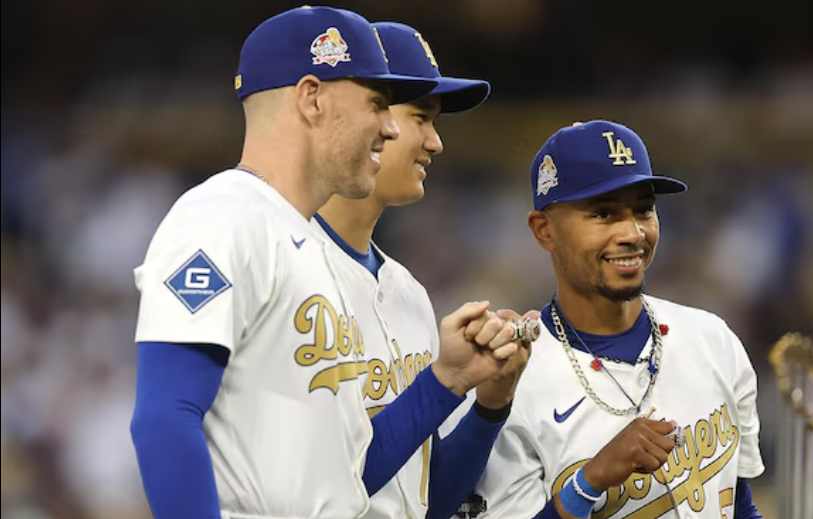
It’s unusual to call the team with the National League’s best record a disappointment—but that’s the reality when it comes to the Los Angeles Dodgers. Such are the expectations in L.A.
Despite Max Muncy’s absence and a sluggish July, there’s little reason to worry about the offense. The Dodgers still lead MLB in runs scored and pace the NL in home runs, all while Mookie Betts is still working his way back to full form. This lineup will be October-ready.
The real concern lies with the pitching staff.
Injuries have defined the rotation from the outset. Blake Snell is nearing a return, but Yoshinobu Yamamoto, Shohei Ohtani, and Clayton Kershaw remain question marks. Given the Dodgers’ track record with injured arms, counting on full health by the postseason feels overly optimistic.
The bullpen, meanwhile, has struggled all season. With a 4.38 ERA—ranking 24th in MLB—and a growing home run problem, it’s clear help must come from outside the organization. President of baseball operations Andrew Friedman can’t afford to assume internal solutions will be enough.
Still, there’s reason for faith. This is the same Dodgers club that won the 2024 World Series with a patchwork rotation and bullpen holes. Friedman has both the resources and the time to fortify the staff—and history shows he’ll likely do just that.
Frequently Asked Questions
What does “Buy or Sell” mean in the context of MLB World Series contenders?
“Buy or Sell” refers to evaluating whether a team is a true championship contender (“buy”) or one that’s likely to fade down the stretch or underperform in the postseason (“sell”). It’s a midseason assessment based on current performance, roster strength, injuries, and potential trade deadline moves.
Why is the All-Star break a critical point for evaluating World Series contenders?
The All-Star break marks the midpoint of the MLB season, giving teams and analysts a clear snapshot of how clubs are performing. It’s also just before the trade deadline, making it a pivotal time for front offices to decide whether to make aggressive moves or stand pat.
What key factors are used to determine if a team is a real contender or pretender?
Analysts consider run differential, rotation depth, bullpen performance, offensive consistency, injury status, and remaining schedule. The ability to perform under playoff-style pressure also plays a role.
Which 2025 MLB teams are considered strong “buys” at the All-Star break?
Teams like the Detroit Tigers, Chicago Cubs, and Los Angeles Dodgers are widely viewed as strong contenders due to a combination of elite pitching, run production, and postseason experience.
Are there any surprising “sells” among 2025 playoff hopefuls?
Yes, clubs like the Toronto Blue Jays and New York Mets raise red flags despite solid records. Their inconsistencies in lineup depth and pitching may hurt their chances unless major upgrades are made.
How does the MLB trade deadline affect “Buy or Sell” decisions?
The trade deadline is crucial. A contender with a few weaknesses can become a legitimate World Series threat with the right acquisitions. Teams viewed as “sells” today could flip into “buys” if they make aggressive, high-impact trades.
Can teams with mid-tier records still be serious World Series threats?
Absolutely. History shows that teams hitting their stride in the second half—especially those with elite pitching or clutch-hitting talent—can make deep playoff runs, regardless of first-half performance.
Conclusion
The 2025 MLB season has reached its turning point, and the All-Star break offers a crucial opportunity to separate the true World Series contenders from the pretenders. While teams like the Dodgers, Tigers, and Cubs are trending upward with balanced rosters and postseason-ready rotations, others—such as the Mets or Blue Jays—face uphill battles unless they address key flaws before the trade deadline.