

A strong first-half MLB breakout can lead to an All-Star nod and become a season-defining story for a team. In contrast, second-half breakouts often go unnoticed—but they can set the stage for a bigger role next season, boost postseason impact, and increase arbitration value.
We’ve identified one breakout candidate from each MLB team poised to surge after the All-Star break. These players are trending upward, have untapped potential, or could benefit from increased playing time due to possible trades.
Watch these 30 breakout candidates closely in the season’s final stretch.
Read More: 2025 MLB Power Rankings: Red Sox Surge as All 30 Teams Reassessed After All-Star Break
AL East
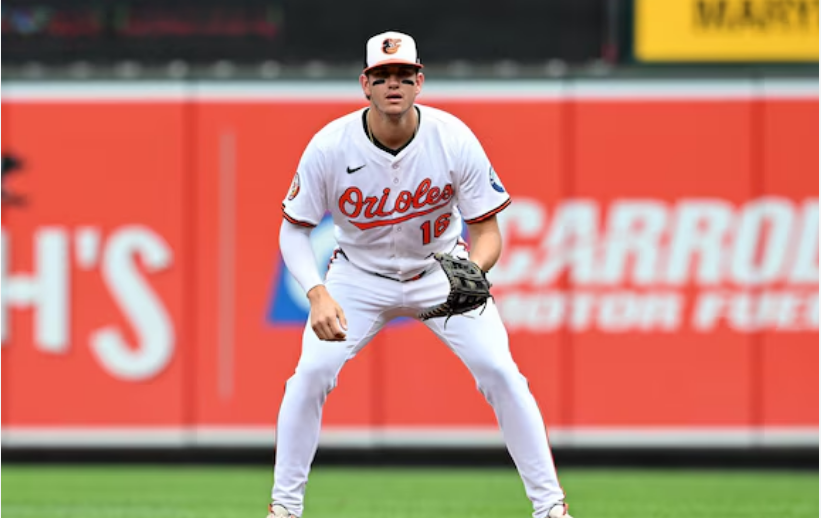
Baltimore Orioles: 1B Coby Mayo
Mayo has little left to prove in the minors, boasting a .906 OPS over 1,870 plate appearances. Blocked by Ryan O’Hearn at first base, he’s been in roster limbo. If O’Hearn is traded as expected, Mayo could seize an everyday role in August and emerge as a key power bat.
Boston Red Sox: IF Romy Gonzalez
Gonzalez impressed in the first half, slashing .326/.364/.582 with 15 doubles and five home runs in just 154 plate appearances. Backed by strong batted-ball data, he’s primed for a breakout if he stays healthy and sees consistent playing time.
New York Yankees: RHP Cam Schlitter
With Clarke Schmidt sidelined, Schlitter debuted on July 9, striking out seven in 5.1 solid innings. The 24-year-old had a 2.82 ERA and 99 strikeouts over 76.2 innings in the minors. He’s now a key rotation candidate down the stretch.
Tampa Bay Rays: RHP Joe Boyle
Boyle’s electric fastball (98.3 mph) and 50% whiff-rate slider make him a high-upside arm. Acquired from Oakland, he dominated Triple-A (1.85 ERA, 0.99 WHIP) before two impressive July outings in long relief. He’s a breakout threat if moved into a larger role.
Toronto Blue Jays: OF Nathan Lukes
Lukes is making a strong case for more playing time, hitting .378 with a .568 slugging percentage over his last 13 games. With Daulton Varsho nearing a return, Lukes needs to keep producing to stay in the lineup, possibly even as a leadoff option.
AL Central
Chicago White Sox: RHP Grant Taylor
Despite injuries in college and early pro ball, Taylor has flashed dominant stuff. He posted a 1.01 ERA and 12.5 K/9 at Triple-A before debuting on June 10. Now working in the closer’s role, he brings elite strikeout potential—even if save chances remain limited.
Cleveland Guardians: 1B/OF C.J. Kayfus
Kayfus continues to rise while Chase DeLauter deals with a wrist injury. The 23-year-old is slashing .307/.399/.557 with 13 homers and 51 RBI in 76 games between Double-A and Triple-A. Ranked No. 70 in B/R’s Top 100, he’s closing in on a big-league debut.
Detroit Tigers: RHP Troy Melton
Melton owns a 3.15 ERA with 93 strikeouts over 71.1 innings in the upper minors and may follow the Tigers’ trend of bullpen usage for young arms. Whether as a high-leverage reliever or bulk option, his electric stuff could shine in a second-half call-up.
Kansas City Royals: RHP Kyle Wright
Wright hasn’t pitched since September 2023 and is rehabbing an oblique injury. With Seth Lugo a trade candidate, Wright could return soon as a rotation fill-in. Just two years removed from a 21-win, 3.19 ERA season, he’s a potential difference-maker if healthy.
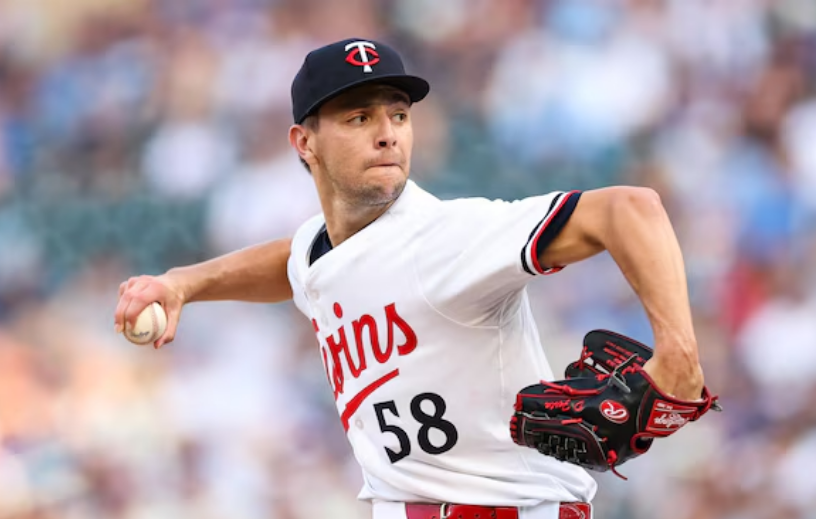
Minnesota Twins: RHP David Festa
After a rough MLB debut, Festa rebounded with strong outings to close the first half. With several starters injured, the 24-year-old has a chance to solidify his spot. His recent form suggests he’s ready to contribute in a meaningful role down the stretch.
AL West
Oakland Athletics: OF Carlos Cortes
Once a Mets prospect, Cortes signed with Oakland last November and crushed Triple-A pitching with a .321/.418/.603 slash line, 23 doubles, and 16 homers in 68 games. Called up during the All-Star break, he’s poised to bring his bat-first profile to the big league lineup.
Houston Astros: RHP Miguel Ullola
Known for his electric fastball and sharp slider, Ullola has racked up 523 strikeouts over 381.1 minor league innings. The Astros may use him in a bullpen role, following the same path as Josh James and Cristian Javier—a move that could spark a second-half emergence.
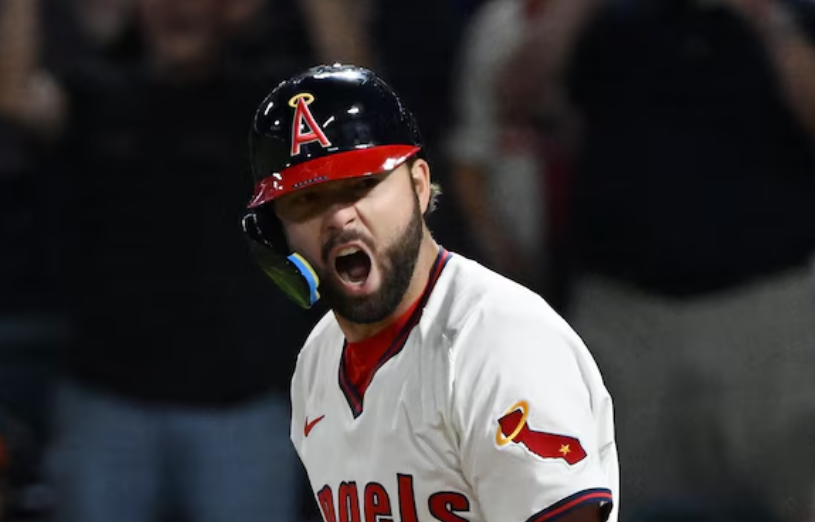
Los Angeles Angels: 1B Nolan Schanuel
After debuting just weeks post-draft in 2023, Schanuel held steady with a 100 OPS+ last year. In 2025, he’s posted a 113 OPS+ and 1.6 WAR through 92 games. The 23-year-old continues to grow and could be a core contributor with a strong second half.
Seattle Mariners: OF Dominic Canzone
Canzone may finally stabilize Seattle’s revolving outfield. Since being recalled on June 9, he’s batting .330 with a .582 slugging percentage and 11 extra-base hits in 94 plate appearances. Backed by a .925 OPS in Triple-A, he’s making a strong case for a full-time role.
Texas Rangers: RHP Kumar Rocker
Rocker has faced growing pains in his first extended MLB action but is trending in the right direction, posting a 4.15 ERA and 1.19 WHIP over his last five starts. With top-tier stuff, he’s a prime candidate to break out if he can build consistency.
NL East
Atlanta Braves: IF Nacho Alvarez Jr.
Limited by wrist and oblique injuries, Alvarez played just 11 Triple-A games but hit .361 with a .510 OBP before filling in for Austin Riley at third base. If he continues to produce, he could secure a versatile utility role when Riley returns.
Miami Marlins: RHP Janson Junk
Junk quietly posted a 2.68 ERA, 2.13 FIP, and a stellar 38:4 K/BB ratio over 50.1 innings in the first half. The 29-year-old journeyman has delivered three straight quality starts and is shaping into a long-term asset for Miami’s rebuild.
New York Mets: IF Ronny Mauricio
After missing 2024 with a torn ACL, Mauricio returned in June and hit .515 with three homers in nine Triple-A rehab games. With third base wide open, he has a real shot to claim the job if he continues producing at the plate.
Philadelphia Phillies: OF Justin Crawford
Crawford is excelling at Triple-A, hitting .331/.407/.432 with 29 steals and strong on-base skills. With Brandon Marsh struggling defensively in center field, Crawford could soon get a chance to take over the position.
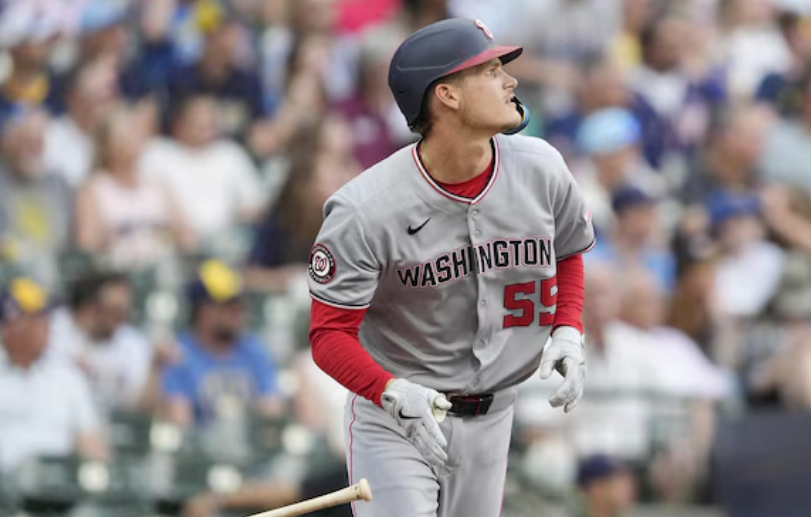
Washington Nationals: 3B Brady House
House debuted on June 16 and quickly earned the starting third base job. He closed the first half with a .293 average and two-homer game on July 12, flashing the power and poise to become a cornerstone in Washington’s young lineup.
NL Central
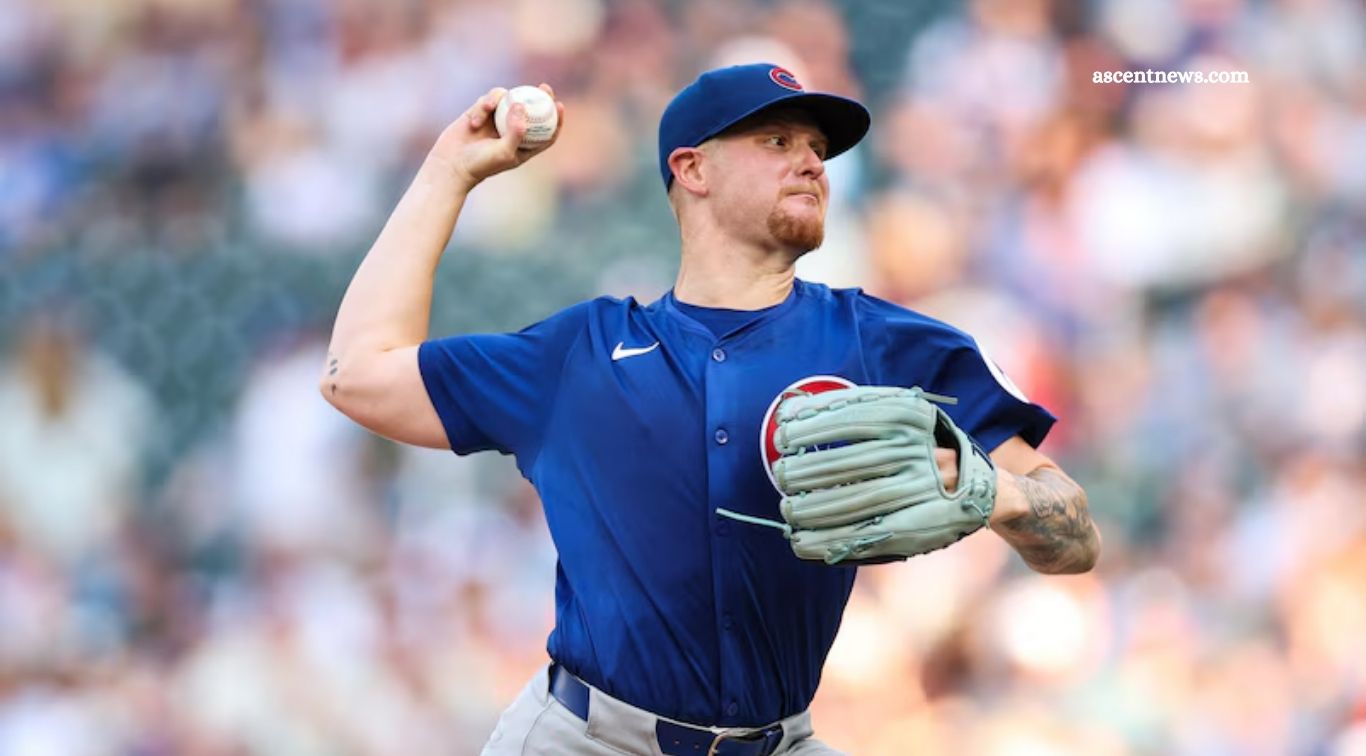
Chicago Cubs: RHP Cade Horton
Horton, the No. 7 pick in 2022, debuted on May 10 and quickly filled a key role in the injury-hit Cubs rotation. The 23-year-old holds a 4.45 ERA over 56.2 innings, highlighted by a dominant July 3 start—seven shutout innings vs. Cleveland. His poise and pedigree suggest more upside ahead.
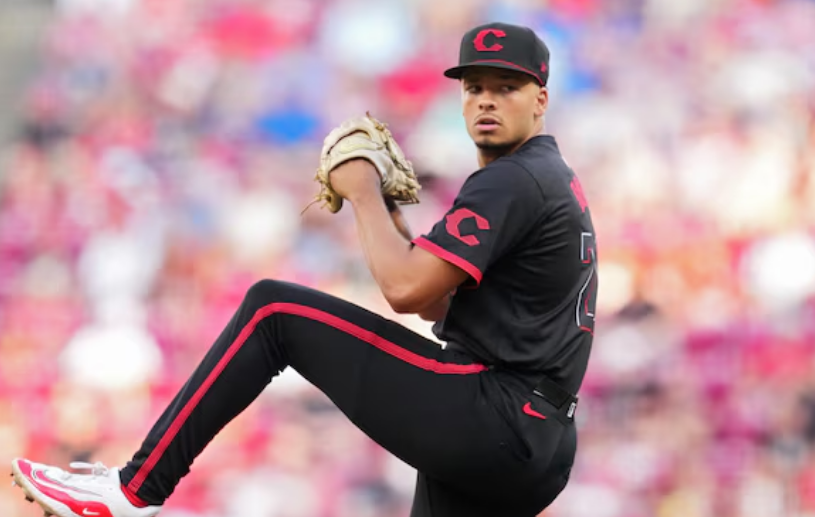
Cincinnati Reds: RHP Chase Burns
Armed with a 98 mph fastball and elite slider, Burns has ace-level stuff. Though he’s struggled in his first four starts (6.19 ERA), the No. 2 pick from 2024 dazzled in the minors with a 1.77 ERA and 89 K’s in 66 innings. A breakout could come fast with his tools.
Milwaukee Brewers: 1B Andrew Vaughn
After slumping badly with the White Sox, Vaughn was traded to Milwaukee and immediately caught fire—going 6-for-14 with 2 HR and 10 RBI in his first four games. A former top prospect, he now has a fresh start with a contender and the potential to thrive.
Pittsburgh Pirates: RHP Bubba Chandler
Chandler is dominating Triple-A with a 2.82 ERA and 93 strikeouts in 73.1 innings. While his walk rate (11.9%) and innings cap remain concerns, the 21-year-old’s upside is undeniable. A call-up could give the Pirates a future ace duo alongside Paul Skenes.
St. Louis Cardinals: C Yohel Pozo
Pozo is making the most of limited at-bats, slashing .312/.330/.505 with four homers and a .290 xBA. With Contreras playing more first base and Herrera at DH, Pozo has carved out a meaningful role and could stick as a productive right-handed bat.
NL West
Arizona Diamondbacks: 1B Tristin English
With Josh Naylor and Eugenio Suárez likely trade candidates, English is well-positioned for more playing time. The 2019 third-round pick hit .338 with 23 doubles and nine homers at Triple-A before debuting on July 9. He brings a polished bat and breakout potential to the lineup.
Colorado Rockies: OF Tyler Freeman
Since moving into the Rockies’ leadoff spot on June 18, Freeman is hitting .338/.398/.413 with six steals and six doubles. Acquired from Cleveland in March, he’s now an everyday presence in right field and could emerge as a consistent top-of-the-order threat.
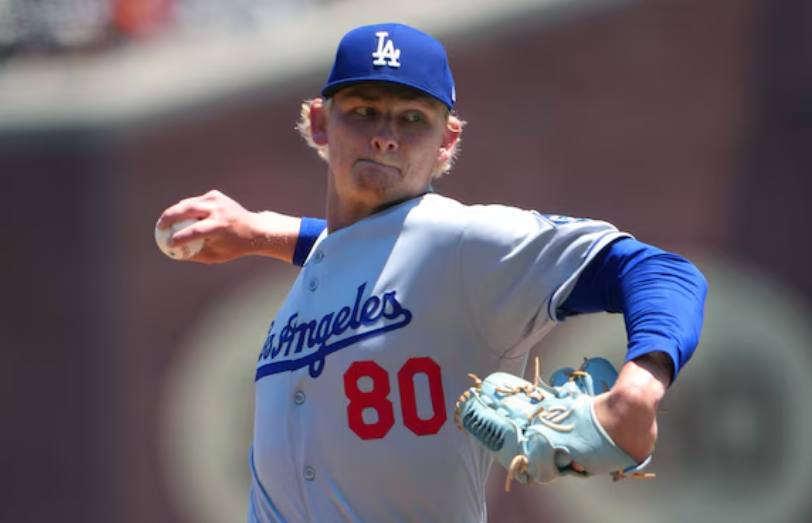
Los Angeles Dodgers: RHP Emmet Sheehan
Back from Tommy John surgery, Sheehan has quietly impressed with a 2.03 ERA and 13 strikeouts over 13.1 innings in three outings. A versatile option for the Dodgers, the 25-year-old could play a key role in the rotation or as a multi-inning bullpen weapon.
San Diego Padres: C Luis Campusano
With Padres catchers struggling offensively, Campusano’s Triple-A line (.308/.427/.587, 14 HR) stands out. Even if his defense limits time behind the plate, his bat could force its way into the lineup—possibly as a much-needed designated hitter.
San Francisco Giants: IF/OF Marco Luciano
Luciano has struggled in the majors (.217 AVG), but the 23-year-old is surging at Triple-A with a .289/.449/.895 slash line and 7 home runs in 10 July games. Once a top prospect, he’s showing signs of finally tapping into his elite offensive upside.
Frequently Asked Questions
What is a second-half breakout MLB player?
A second-half breakout player is someone who elevates their performance significantly after the All-Star break, often earning a bigger role, increasing their value, or setting the stage for a strong following season.
How are MLB breakout candidates chosen?
Breakout candidates are typically selected based on factors like recent performance trends, advanced metrics, prospect status, increased playing time opportunities, or roster changes (e.g., trades or injuries).
Why do second-half breakout players matter?
Second-half breakouts can change the trajectory of a player’s career and impact a team’s postseason chances. They often emerge as valuable contributors during the playoff push or position themselves for larger roles in the future.
Which positions are most common for second-half breakouts?
While breakout potential exists at all positions, it’s often seen among young pitchers stepping into rotations or prospects taking over lineup spots due to trades or injuries.
Are second-half breakout players usually rookies?
Many are rookies or recent call-ups, but some are former top prospects or struggling veterans who finally find their stride in the second half.
How can fantasy baseball managers use this information?
Identifying breakout candidates early can give fantasy managers a competitive edge. These players often deliver strong late-season stats at a low acquisition cost.
Do all MLB teams have a realistic breakout candidate?
Yes, even rebuilding or struggling teams typically have at least one player with the tools, opportunity, or momentum to emerge during the second half.
Conclusion
The second half of the MLB season is where hidden talent often rises, and this year is no exception. From rookies getting their first real shot to veterans seeking redemption, each team has a player poised to make a meaningful impact. Whether you’re a fan tracking future stars, a fantasy manager hunting for value, or just love the drama of baseball’s stretch run, these breakout candidates are worth watching.