

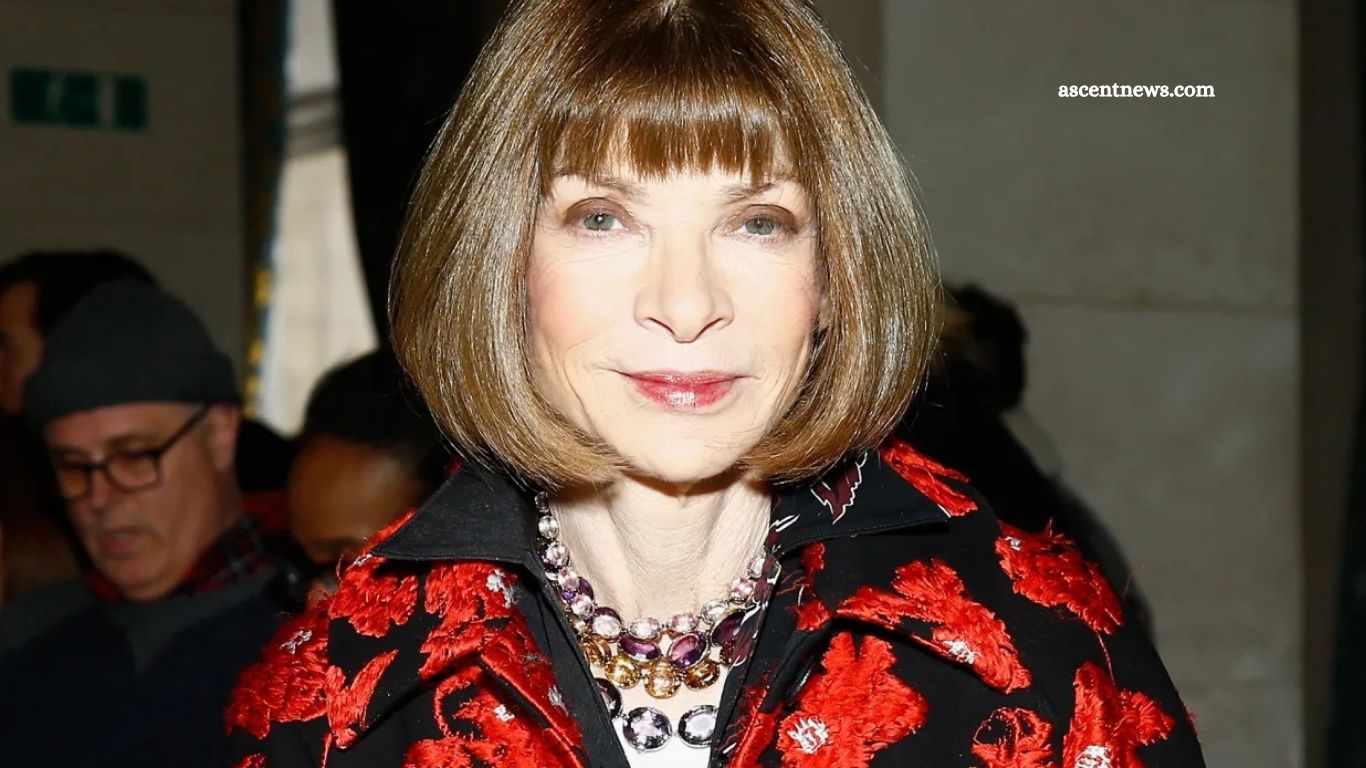
The fashion world witnessed a symbolic shift as Anna Wintour’s resignation as editor-in-chief of American Vogue coincided with the high-profile wedding celebration of Lauren Sánchez and Jeff Bezos in Venice. It wasn’t just a changing of the guard at a publication—it marked the twilight of an entire style epoch.
Wintour, once the impenetrable gatekeeper of high fashion, represented an aesthetic philosophy rooted in exclusivity, restraint, and editorial control. Lauren Sánchez, meanwhile, embodies the new social order—unfiltered, unapologetically flashy, and immune to elite judgment. Their overlapping moments in the spotlight capture a striking transformation in how power, influence, and style are projected today.
The Rise and Rule of Anna Wintour
For over three decades, Anna Wintour dictated what was fashionable for the global elite. Her influence extended far beyond glossy pages; she sculpted the societal norms of taste, power dressing, and who belonged in elite circles. Her signature bob and sunglasses weren’t just trademarks—they were symbols of an untouchable echelon of authority.
Wintour’s fashion philosophy rested on subtlety, polish, and coded signals. Entry into her world meant playing by a strict, often unspoken, rulebook. She elevated figures like Princess Diana, Michelle Obama, and even Kanye West, but always on her terms. She wasn’t simply editing a magazine—she was curating culture.
Read More: Bernie Sanders Advocates 4-Day Workweek for Increased AI Productivity
A New Iconoclast: Lauren Sánchez Arrives
In stark contrast stands Lauren Sánchez, the new Mrs. Bezos and embodiment of the ultra-modern, hyper-visible billionaire lifestyle. Her appearance at the lavish wedding in Venice wasn’t just a celebration—it was a declaration. Dressed in extravagant couture, surrounded by social media’s elite, Sánchez rewrote the script of what power dressing means in the 2020s.
Her style is loud, overtly sexy, and dripping with luxury. She isn’t chasing approval from Vogue or high society. Her look says: I wear this because I can, and I like it. That radical confidence—not bound by past rules—defines today’s ultra-rich aesthetics.
The Decline of Editorial Authority
What we’re witnessing isn’t simply Wintour stepping down from a job. It’s the dissolution of the fashion editor as a cultural gatekeeper. The rise of platforms like Instagram and TikTok has democratized trendsetting. Now, influence flows from viral moments, not Vogue covers.
Wintour once carefully chose who was “in” and who was “out.” But even she had to bend when internet phenomena like Kim Kardashian became too culturally dominant to ignore. Kim, and later Lauren Sánchez, didn’t wait for the gates to open—they built their own.
From Stealth Wealth to Loud Luxury
British Vogue recently declared “chic is dead.” The understated elegance that once defined wealth has been overtaken by an era of maximalist expression. Think less Grace Kelly, more Las Vegas showgirl meets space baron’s wife.
Lauren Sánchez leads this charge. Her wardrobe choices at events—from the Met Gala to space launches—broadcast wealth, sex appeal, and joy. Unlike earlier generations of billionaire spouses who feared judgment, Sánchez flaunts her style with unshakable confidence. It’s not about belonging—it’s about standing out.
Fashion, Power, and the End of Fear
Barbara Amiel’s memoir once detailed the social anxiety of marrying into wealth—agonizing over whether her diamonds were too big, or her shoes too white. In Wintour’s world, wealth alone wasn’t enough; style had to pass through a gauntlet of elite scrutiny.
Today? That anxiety is gone. Lauren Sánchez doesn’t worry about “patio jewelry” vs. “gala diamonds.” Her fashion says: there are no wrong choices—just bold ones. She has no fear of getting it wrong, because the new power lies in not caring.
Anna Wintour’s Twilight Years
In her final years at Vogue, Wintour appeared increasingly like a curator reluctantly accepting modernity. She invited Kim Kardashian to the Met Gala, helped Lauren Sánchez style herself, and even greenlit coverage that seemed antithetical to her earlier philosophy.
These gestures didn’t feel like empowerment—they felt like resignation. She wasn’t setting trends anymore; she was catching up to them.
Lauren Sánchez: A New Fashion Archetype
The real revolution here is cultural. Lauren Sánchez isn’t just a style icon—she’s a symbol of a new, liberated form of influence. Her look is aspirational not because it’s refined, but because it’s fearless.
She embraces opulence, embraces scrutiny, and doesn’t ask permission. That’s power in 2025—and that’s why Anna Wintour’s reign feels like a relic of a more cautious time.
Frequently Asked Questions
Why did Anna Wintour resign from Vogue?
Anna Wintour’s resignation likely stems from the changing landscape of fashion media, where traditional editorial authority has been replaced by influencer-driven culture. While no scandal preceded her exit, it symbolized the end of an era.
Who is Lauren Sánchez?
Lauren Sánchez is a former news anchor, helicopter pilot, and the new wife of Amazon founder Jeff Bezos. She’s become a fashion and media figure known for her bold, luxury-centric style.
How does Sánchez’s fashion differ from Wintour’s ideal?
Sánchez favors overt sexiness, visible wealth, and confidence over restraint. Wintour championed controlled, curated elegance with hidden codes of status and taste.
What is “stealth wealth” and how is it different?
“Stealth wealth” refers to discreet luxury—wearing expensive but unbranded clothing. Lauren Sánchez’s style counters that with openly lavish, high-glam fashion choices.
Was Anna Wintour involved in Lauren Sánchez’s wedding?
Reports suggest Wintour advised Sánchez on outfits for her wedding festivities, a symbolic passing of the torch from the old fashion elite to the new.
Why is the fashion world focusing on this moment?
The juxtaposition of Wintour stepping down and Sánchez’s public wedding marks a cultural pivot—from curated exclusivity to democratic, attention-driven influence.
Has Vogue lost its influence?
While still respected, Vogue no longer drives fashion trends. Digital creators, celebrities, and billionaires now wield greater style influence.
Is this shift good for fashion?
It depends on perspective. Some celebrate the freedom and inclusivity; others mourn the loss of elegance and discipline. Either way, it reflects broader cultural changes.
Conclusion
The simultaneous resignation of Anna Wintour and the rise of Lauren Sánchez is more than symbolic—it’s seismic. It marks the end of fashion as an exclusive club governed by gatekeepers and the rise of a new paradigm: bold, direct, self-assured expression.
Wintour spent decades defining what style should be. Sánchez shows us what it can be when there are no rules. Whether you find it thrilling or terrifying, one thing is clear: fashion’s future belongs to those who dare, not those who decree.