

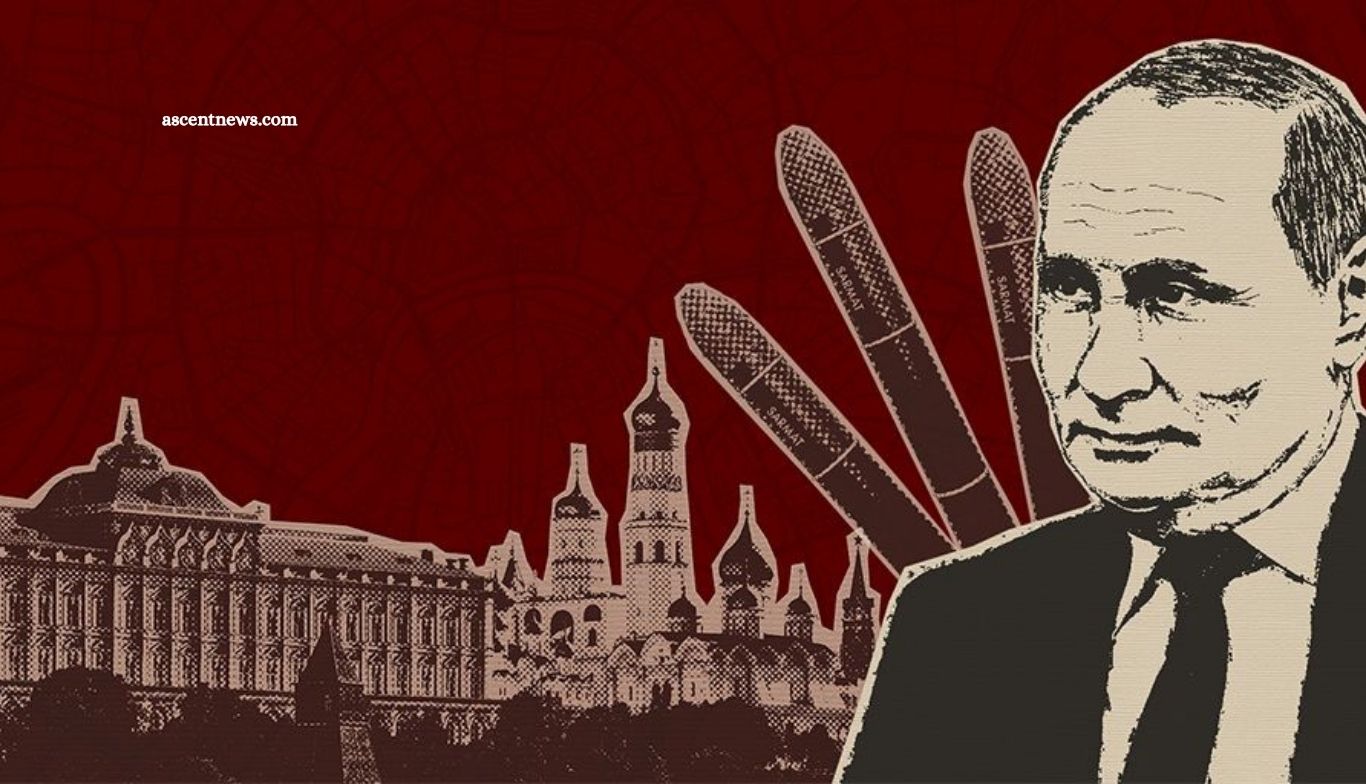
Nuclear weapons, with their deadly history and expanding threat, dominate headlines once again. Russia’s recent formal withdrawal from the 1987 Intermediate-Range Nuclear Forces (INF) Treaty marks the collapse of a critical global arms control framework. This move accelerates an already intense nuclear arms race across Europe and Asia, as tensions between the US and Russia escalate dangerously.
Rising Nuclear Tensions and Provocations
Russian President Vladimir Putin has repeatedly threatened the West with nuclear weapons during the conflict in Ukraine. Last November, Russia tested the Oreshnik hypersonic missile, capable of reaching any European city at speeds ten times the sound barrier, violating the INF treaty. Moscow blames NATO’s hostile actions, yet it has long circumvented treaty terms by deploying missiles in Kaliningrad and Belarus.
Read More: Labour Must Learn from History: Choosing Austerity Costs Elections as Economic Uncertainty Grows
NATO’s Role in Heightened Nuclear Risks
NATO’s nuclear buildup in Europe has intensified since the US abandoned the INF treaty in 2018, alarming Russia and Europeans alike. Unlike the vocal protests of the 1980s against missile deployments, today’s escalating dangers receive muted public attention, even as the Doomsday Clock nears midnight. Recent exchanges of threats between US and Russian officials only amplify fears of nuclear conflict.
The Urgent Call for Public Awareness
The responsibility to sound the alarm falls to the heirs of Cold War activists and disarmament campaigners. With nuclear arsenals more powerful than ever, the risk of global devastation is real and growing. Commemorations of Hiroshima and Nagasaki’s 80th anniversary should serve as stark warnings against nuclear escalation.
Expanding Nuclear Presence in Europe
The US stores nuclear bombs across several European nations, including Germany, Belgium, and Italy, while the UK has increased its nuclear capabilities. Germany plans to host Tomahawk and hypersonic missiles, with NATO expanding missile bases in Poland and Romania. These measures, justified as defense against Russia, contribute to a growing, dangerous arms race.
Global Nuclear Spending and Proliferation
Nuclear-armed states, including the US, China, and Russia, collectively spent over $100 billion on nuclear weapons last year—a significant increase. The US plans a 26% budget rise for its nuclear forces by 2026, while China has doubled its warheads since 2020. These trends heighten the risk of nuclear confrontation worldwide.
The Erosion of Arms Control Agreements
Key arms control treaties, like New START, are set to expire soon, removing vital limits on nuclear arsenals. The nuclear non-proliferation treaty’s promise of gradual disarmament remains unfulfilled, as countries rearm aggressively. Emerging technologies like AI further increase the threat of accidental nuclear war, while volatile leaders intensify global instability.
Lessons from History and the Path Forward
In 1945, scientists warned President Truman that using the atomic bomb would trigger an unstoppable arms race—warnings ignored at the time. Today, the UN’s recent efforts to study nuclear war’s consequences reflect a renewed commitment to preventing catastrophe. Despite challenges, it remains crucial to pursue diplomatic solutions to halt nuclear escalation.
Frequently Asked Questions
Why did Russia abandon the INF Treaty?
Russia formally withdrew from the INF Treaty citing NATO’s hostile actions. However, it has long bypassed treaty restrictions by deploying missiles in Kaliningrad and Belarus.
What impact does Russia’s INF Treaty withdrawal have?
The withdrawal accelerates the nuclear arms race in Europe and Asia, destabilizing global arms control and increasing the risk of nuclear conflict.
How is NATO involved in the current nuclear buildup?
Since the US left the INF Treaty in 2018, NATO has expanded nuclear weapons and missile deployments across Europe, intensifying tensions with Russia.
What is the significance of the Doomsday Clock?
The Doomsday Clock symbolizes how close the world is to global catastrophe. It currently stands at 89 seconds to midnight, indicating an unprecedented nuclear threat level.
Which countries are increasing their nuclear arsenals?
The US, China, Russia, and other nuclear-armed states are rapidly expanding their nuclear stockpiles and budgets, raising global security concerns.
What role do new technologies play in nuclear risks?
AI and other emerging technologies increase the risk of accidental nuclear war by potentially automating decision-making without human oversight.
Why is global disarmament failing?
Although signatories of the nuclear non-proliferation treaty are committed to disarmament, most are rapidly rearming and expanding their nuclear forces.
Conclusion
The resurgence of nuclear tensions and the rapid erosion of arms control agreements have brought the world dangerously close to a new era of nuclear threat. With global powers escalating their arsenals and modern technologies increasing risks, complacency is no longer an option. It is imperative for governments, activists, and citizens alike to demand urgent action and renewed diplomacy to prevent a catastrophic nuclear future.