

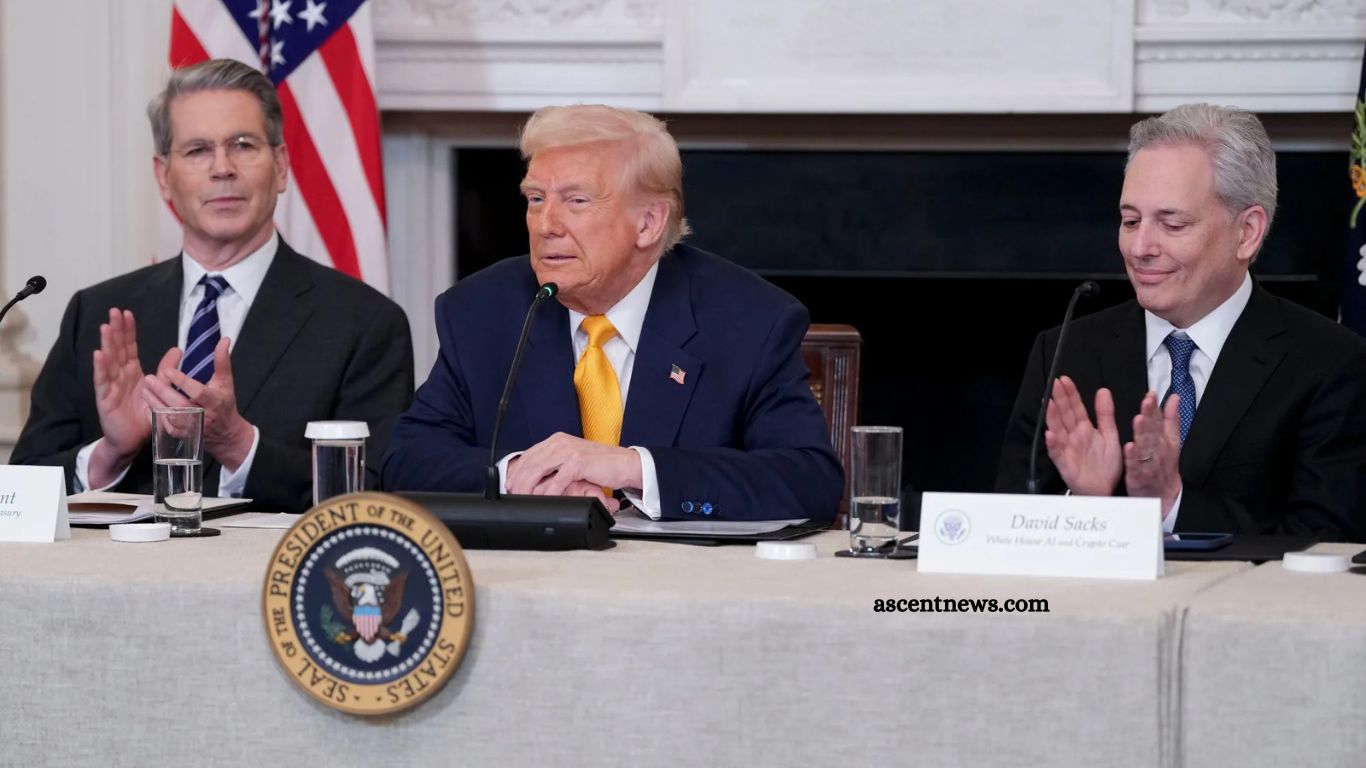
Last week’s extraordinary summit in Alaska is being followed by an even more unusual international conference in Washington. Just two days ago, none of the participants knew they would be attending. While modern diplomacy often relies on ad hoc contact groups, the assembly of seven countries—the US, Ukraine, the UK, Germany, Finland, Italy, and France and two international organizations, NATO and the EU, is unprecedented.
Rethinking Traditional Diplomatic Preparation
Officials typically prepare by assembling briefing packs and drafting talking points, aiming to satisfy their superiors and make effective interventions. In this case, conventional preparation may hinder more than help. Precedents from European Councils, NATO summits, and even past Trump bilaterals can be actively misleading. Diplomats should consider abandoning the standard format entirely.
The usual approach—each leader delivering a statement—will not suffice. This summit centers around three primary groups: the US, Ukraine, and Europe. For clarity, Europe should be represented by a single spokesperson. Most European leaders may accept this arrangement, provided their chosen representative is leading the discussion. Realistically, only two candidates stand out.
Read More: Materialists Reflects Today’s Dating Reality
Choosing the Right European Spokesperson
The meeting will be conducted in English, with an interpreter for Volodymyr Zelenskyy. Only two attendees are native English speakers: US President Donald Trump and UK Prime Minister Keir Starmer. Two others, Finland’s President Alexander Stubb and NATO Secretary-General Mark Rutte, speak English fluently enough to be considered near-native.
Stubb represents a smaller nation, which can be an advantage in managing discussions with larger powers, while Rutte represents Europe’s military alliance. The remaining European participants—Emmanuel Macron, Ursula von der Leyen, Friedrich Merz, and Giorgia Meloni—speak English well but may struggle to persuade Trump, who is easily offended and prone to derail discussions.
Given these dynamics, either Rutte or Starmer should speak for Europe. The spokesperson must deliver points confidently, maintain eye contact with Trump, handle interruptions without losing focus, and resume their argument seamlessly.
Building on the Alaska Summit
Europe must craft a message that builds on the recent Alaska summit. Public opinion in Europe painted Vladimir Putin as the winner, criticizing Trump’s perceived weakness and lack of results. Some politicians echoed this sentiment, while in Britain, the government’s cautious optimism about the talks was deemed “craven.” Despite the critiques, viewing the meeting as a starting point for broader diplomacy remains the most sensible stance.
A key takeaway from Anchorage was Trump’s recognition that a mere ceasefire is insufficient; a comprehensive agreement is necessary. European leaders can signal their readiness to support full implementation, particularly through security guarantees—a role Putin is likely to reject.
Navigating Concessions and Peace
Any comprehensive agreement must address Putin’s territorial demands, particularly the land bridge to Crimea and full control over Donbas. While he controls Crimea, Donbas remains contested. Ukraine is unlikely to voluntarily cede land it has never lost to Russia, but diplomacy often requires compromise. Peace, after all, comes with concessions.
Ukraine has a clear interest in ending the war with dignity. Drawing historical parallels, Finland faced a similar dilemma during the Winter War of 1939-40. Despite valiant resistance against a superior Soviet force, Finland eventually ceded 11% of its territory, including Karelia, to secure peace. For Ukraine in 2025, a tangible guarantee—such as NATO membership—could serve as the modern equivalent of Finland’s compromise, providing immediate security and deterrence.
Political Realities for Zelenskyy and Putin
Zelenskyy will face internal hurdles. Any concession requires consultation with his cabinet and parliament. Yet he can outline the framework of a peace deal capable of ending Europe’s bloodiest conflict since World War II—a prize worth pursuing.
Putin, meanwhile, will resist a Ukraine backed by powers outside Moscow’s influence. If Russia rejects an offer acceptable to others, Trump may finally recognize Putin as the persistent obstacle, giving the US justification to increase support for Ukraine’s defense.
Turning Oddness into Opportunity
Washington’s meeting is one of the most unusual diplomatic gatherings in recent memory. Its unpredictability demands strategic thinking, disciplined communication, and clear European coordination. By selecting a single, capable spokesperson and focusing on actionable security commitments, European leaders can convert this unconventional setting into a genuine opportunity for progress.
The stakes are high: Europe must balance demonstrating resolve with facilitating meaningful dialogue, Ukraine must weigh concessions against the imperative of peace, and the US must navigate Trump’s idiosyncrasies to ensure constructive engagement. Done correctly, the summit could set a new standard for international diplomacy in rapidly evolving crises.
Frequently Asked Questions
What is the Washington summit about?
The Washington summit brings together the US, Ukraine, seven European countries, NATO, and the EU to discuss the Ukraine conflict and potential security agreements. It follows last week’s Alaska summit and aims to coordinate international diplomacy in a high-stakes setting.
Why is this meeting considered unusual?
Unlike traditional summits, this conference was arranged on very short notice and includes a unique mix of countries and international organizations. The meeting also challenges conventional diplomatic formats, requiring a coordinated approach rather than individual statements from each leader.
Who will speak for Europe at the summit?
Europe will be represented by a single spokesperson. Strong candidates include NATO Secretary-General Mark Rutte and UK Prime Minister Keir Starmer, both fluent in English and capable of handling President Trump’s unpredictable style.
What are the key issues on the agenda?
The summit focuses on ending the Ukraine conflict, addressing Putin’s territorial demands, exploring security guarantees for Ukraine, and building on previous discussions from the Alaska summit. Concessions and peace strategies will also be a major topic.
What role does Ukraine play in the summit?
Ukraine, represented by President Volodymyr Zelenskyy, must weigh potential concessions against the goal of ending the war honorably. Zelenskyy will outline possible frameworks for peace while consulting his cabinet and parliament.
How might the US influence the discussions?
With President Trump attending, US involvement is critical. The US can help mediate between Ukraine and European leaders, apply pressure on Russia, and potentially increase military and diplomatic support if agreements are rejected by Moscow.
Why are security guarantees important?
Security guarantees, such as NATO membership or other international commitments, could deter further Russian aggression and provide Ukraine with immediate protection, similar to historical examples like Finland’s compromises in 1939-40.
Conclusion
The Washington summit represents one of the most unconventional yet pivotal diplomatic gatherings in recent memory. With unpredictable personalities, high stakes, and urgent security concerns, success depends on careful coordination, clear messaging, and strategic compromise. Europe must speak with a unified voice, Ukraine must balance concessions with national honor, and the US must leverage its influence effectively.