

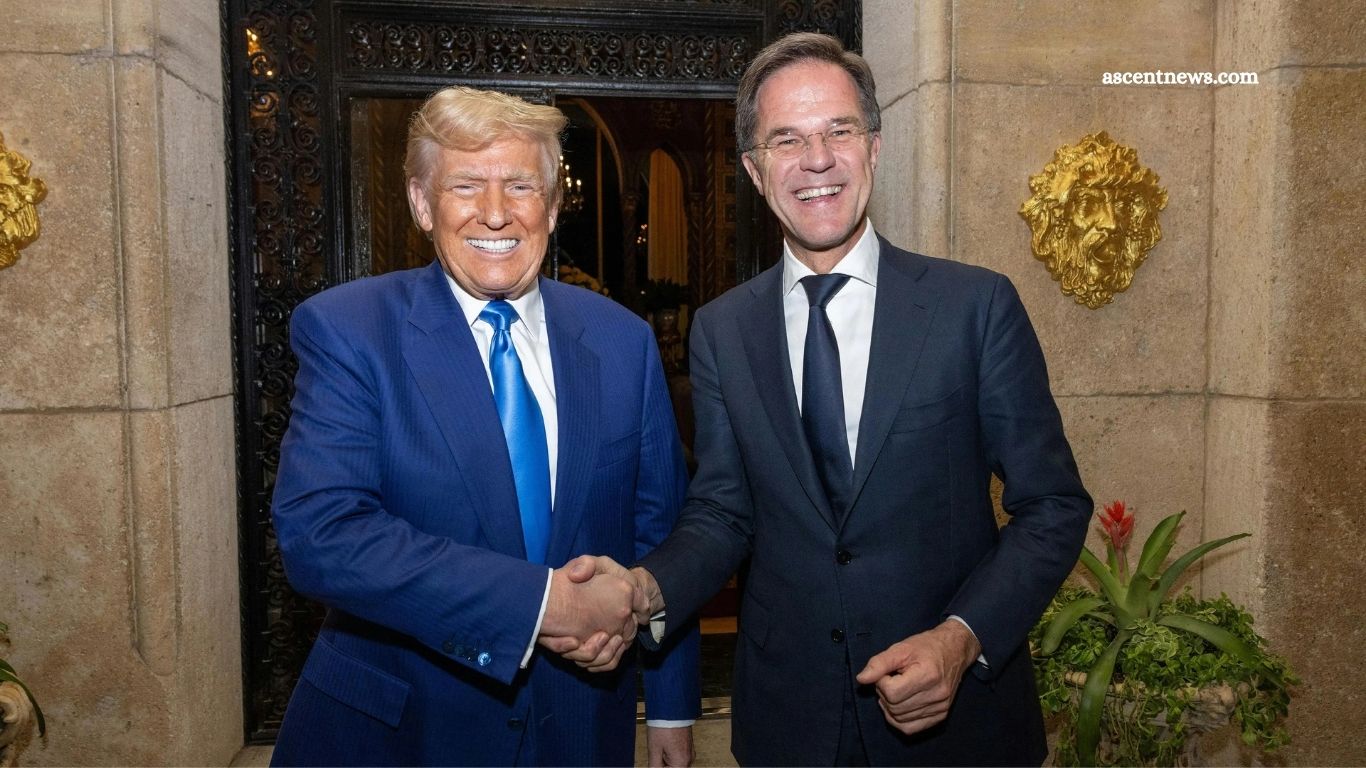
The recent NATO Leaders summit in The Hague offered a dramatic glimpse into the alliance’s current challenges—many of which remain unresolved despite an intense effort to flatter former President Donald Trump. In what some critics are calling a stage-managed spectacle, the summit exposed deep strategic concerns about the transatlantic relationship, Trump’s unpredictable leadership, and NATO’s long-term viability.
A Shortened Summit to Suit One Man
The original two-day summit was compressed into a single morning, a move clearly intended to cater to Donald Trump’s preferences. The agenda was stripped down, focusing heavily on defense spending—Trump’s signature issue—while sidestepping more complex topics like the Ukraine war and Iran’s nuclear situation.
Rather than addressing these crucial global concerns, NATO leaders, led by Secretary General Mark Rutte, leaned heavily into praising Trump. Rutte went as far as to commend Trump’s stance on Iran and hailed him as the visionary behind NATO’s new 5% of GDP defense spending goal.
As Fiona Hill, Trump’s former adviser, noted, the event resembled “the North Atlantic Trump Organization” more than a genuine strategic alliance.
Read More: World Leaders Beware: Trump Won’t Love You Back
Appeasement with a Purpose
This apparent deference was not without motive. NATO leaders were focused on a singular goal: keeping the United States engaged in the alliance. After Trump’s previous criticisms of NATO and isolationist rhetoric, members were keen to avoid another Munich Security Conference moment where allies were blindsided by US disinterest and unpredictability.
In that context, even humiliating gestures were seen as necessary. And by Trump’s own post-summit remarks—calling the 5% pledge “very big news” and reaffirming (albeit ambiguously) support for Article 5—leaders may believe they achieved short-term success.
Unresolved Strategic Challenges
Despite the optics of unity and consensus, the summit did little to resolve NATO’s deeper issues. Four key challenges continue to threaten the alliance’s long-term stability:
Ukraine’s Future Remains Uncertain
Trump has shown impatience with the Ukraine conflict, advocating for a ceasefire and expressing reluctance to continue US military aid. NATO allies lack the capacity to fill that gap alone, risking a long-term frozen conflict. As Andriy Zagorodnyuk of the Carnegie Endowment observed, Ukraine must prepare for permanent pressure, with or without Trump’s support.
Trump’s Volatility
Although The Hague was choreographed to avoid provocation, Trump remains highly unpredictable. His handling of Iran—abandoning diplomacy one day, launching strikes the next—reinforces NATO’s limited influence over his decisions. This instability complicates military planning and undermines trust within the alliance.
The 5% Pledge is Symbolic, Not Real
Pledging 5% of GDP to defense is aspirational, not immediate. Countries like the UK aim to hit this target by 2035, and even then, only by reclassifying expenditures. The political and economic landscape may shift significantly before then, making the pledge more of a talking point than a tangible goal.
Reliance on the US Remains a Vulnerability
Perhaps the most pressing concern is the alliance’s heavy reliance on US leadership and military capability. Europe and Canada must now consider developing independent defense capabilities that are sustainable, strategic, and less tied to the whims of future US administrations.
Frequently Asked Questions
Why was the NATO Hague Summit shortened?
To accommodate Donald Trump’s preferences, the summit was reduced to a single morning focused almost entirely on defense spending.
What was the main outcome of the summit?
The headline result was a renewed pledge by NATO members to move toward spending 5% of GDP on defense, which Trump hailed as a major success.
Did the summit address the war in Ukraine?
No. Ukraine was largely sidelined, with no major changes in policy or aid. Trump’s disinterest remains a significant obstacle.
Is NATO still united?
While unity was publicly displayed, deep internal tensions remain—especially regarding US reliability and long-term strategy.
What does the 5% GDP defense pledge mean in practice?
It’s a symbolic commitment. Most nations are far from this goal and may never reach it without creative accounting or major defense budget increases.
How does Trump’s leadership affect NATO?
Trump’s unpredictable decisions, isolationist views, and transactional approach continue to create instability within the alliance.
Can Europe defend itself without the US?
Not currently. But there’s growing recognition that Europe must invest more in its own defense to reduce dependence on the US.
Will Trump remain committed to NATO?
Uncertain. While he made positive statements at the summit, his track record suggests that his commitment could change rapidly.
Conclusion
The NATO summit in The Hague was less about strategy and more about survival. Leaders chose to flatter Trump, hoping to maintain US engagement while avoiding confrontation. They succeeded—temporarily.
Yet this approach offers no solution to NATO’s existential challenges. The war in Ukraine continues with limited NATO support. Trump’s volatility remains a strategic wildcard. And pledging increased spending does little without actual capacity-building.