

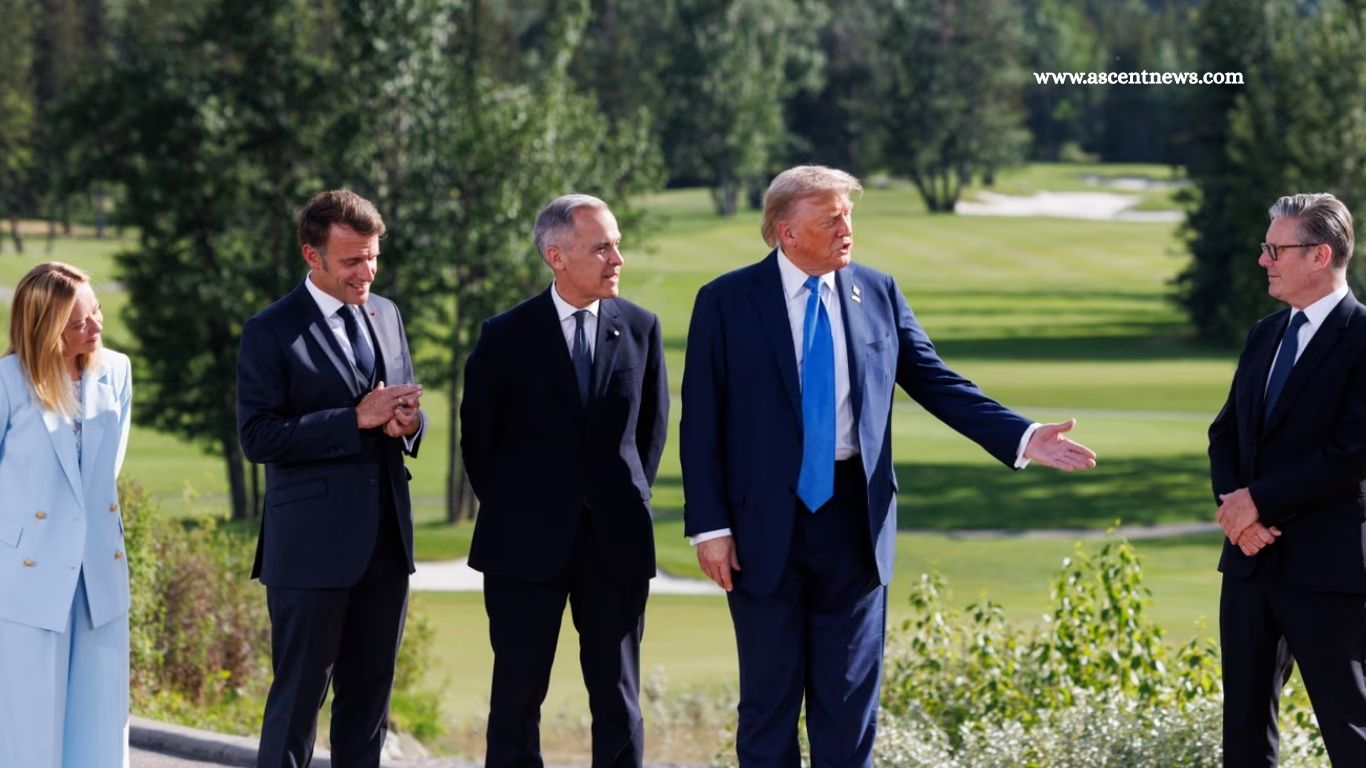
World leaders often approach Donald Trump with optimism, hoping to forge meaningful alliances or special relationships. Yet history shows a different pattern—one of unpredictability, self-interest, and transactional dealings. From summits abruptly abandoned to allies undermined without warning, Trump consistently proves that loyalty and diplomacy take a back seat to his personal agenda.
This isn’t miscommunication or complexity—it’s a calculated focus on control and attention. As global leaders prepare for future interactions, it’s time to stop romanticizing or decoding his behavior. The truth is clear: Trump won’t love you back, and expecting otherwise is a costly diplomatic illusion.
The 90s Playbook: Self-Help for the Hopelessly Hopeful
In the 1990s, self-help books flourished, especially among women. Titles like Men Are from Mars, Women Are from Venus and The Road Less Traveled promised to decode the emotional illiteracy of men. The message: if you try hard enough, you can fix him. Sound familiar?
Trump emerged in that same era, navigating Manhattan nightlife with the bravado of someone who called avoiding STIs his “personal Vietnam.” Fast-forward to his presidency, and world leaders—especially those in the G7—seemed to treat him like an emotionally unavailable boyfriend they could reform.
Read More: Music Industry Develops Tech to Track AI-Generated Songs
He’s Just Not That Into Diplomacy
Remember that iconic Sex and the City scene? Miranda puzzles over a man who had a great date with her but bailed before things got serious. Her friends insisted he was scared of intimacy, or stressed, or just complex. Then comes the blunt male opinion: “He’s just not that into you.”
Trump, too, leaves allies puzzled. He storms out of summits, imposes tariffs on friends, flatters dictators, and undermines longstanding alliances. Analysts scramble to decode these behaviors. But perhaps the truth is simple: he’s just not interested in anyone else’s needs—only his own.
The Need for a Reality Check
Leaders like Keir Starmer and Emmanuel Macron sometimes seem desperate to interpret Trump’s behavior positively. “He called me before bombing Iran,” one might say. “We must have a special bond!” It’s reminiscent of the hopeful woman who misreads breadcrumbs as signs of devotion.
But here’s the hard truth: Trump thrives when everything revolves around him. He seeks maximum control, attention, and dominance. That’s not partnership—it’s performance.
The Transactional Trap
Many observers label Trump “transactional,” as if that makes him easier to deal with. But a transactional partner doesn’t build alliances; he keeps score. When allies no longer serve his immediate purpose, he discards them. This is not diplomacy—it’s a game of short-term gain.
International leaders who believe they can navigate Trump with tact or strategy are playing the wrong game. You can’t out-negotiate someone who changes the rules as he goes.
Frequently Asked Questions
Why do people keep trying to “understand” Trump?
Because understanding feels like control. Many hope that if they can crack the code, they can manage or influence him. But Trump thrives on unpredictability.
Is Trump really “transactional”?
Yes, but it’s not a compliment. It means he views relationships—including those with countries—as disposable deals. There’s no loyalty, only leverage.
How do world leaders typically respond to Trump?
With confusion, appeasement, or forced smiles. Many still hope to build a “special relationship,” despite a pattern of betrayal.
What’s the danger of interpreting Trump’s actions as misunderstood or complex?
It creates false hope and prevents clear-eyed policymaking. Wishful thinking in geopolitics is risky.
Can Trump be “handled” by allies?
Only in the short term, and only by feeding his ego. But that’s not sustainable foreign policy.
Why compare Trump to 90s men or sitcom plots?
Because the behaviors align—unavailable, self-absorbed, and immune to emotional appeals. It’s a cultural shorthand that clarifies political dynamics.
Is this analysis biased or just realistic?
It’s realistic. While often satirical, this view is grounded in Trump’s consistent pattern of behavior across business, media, and politics.
What should world leaders do instead of trying to charm Trump?
They should prioritize their nations’ interests, act independently, and prepare for abrupt shifts. Building long-term alliances beyond Trump’s orbit is key.
Conclusion
World leaders, it’s time to stop decoding Trump like he’s sending mixed signals. He isn’t. He’s not into international cooperation, compromise, or collective leadership. He’s into himself—end of story.
Treating him like a complex partner you just haven’t cracked yet only enables erratic, damaging behavior. The smarter move is to accept what he consistently shows you and prepare accordingly.