

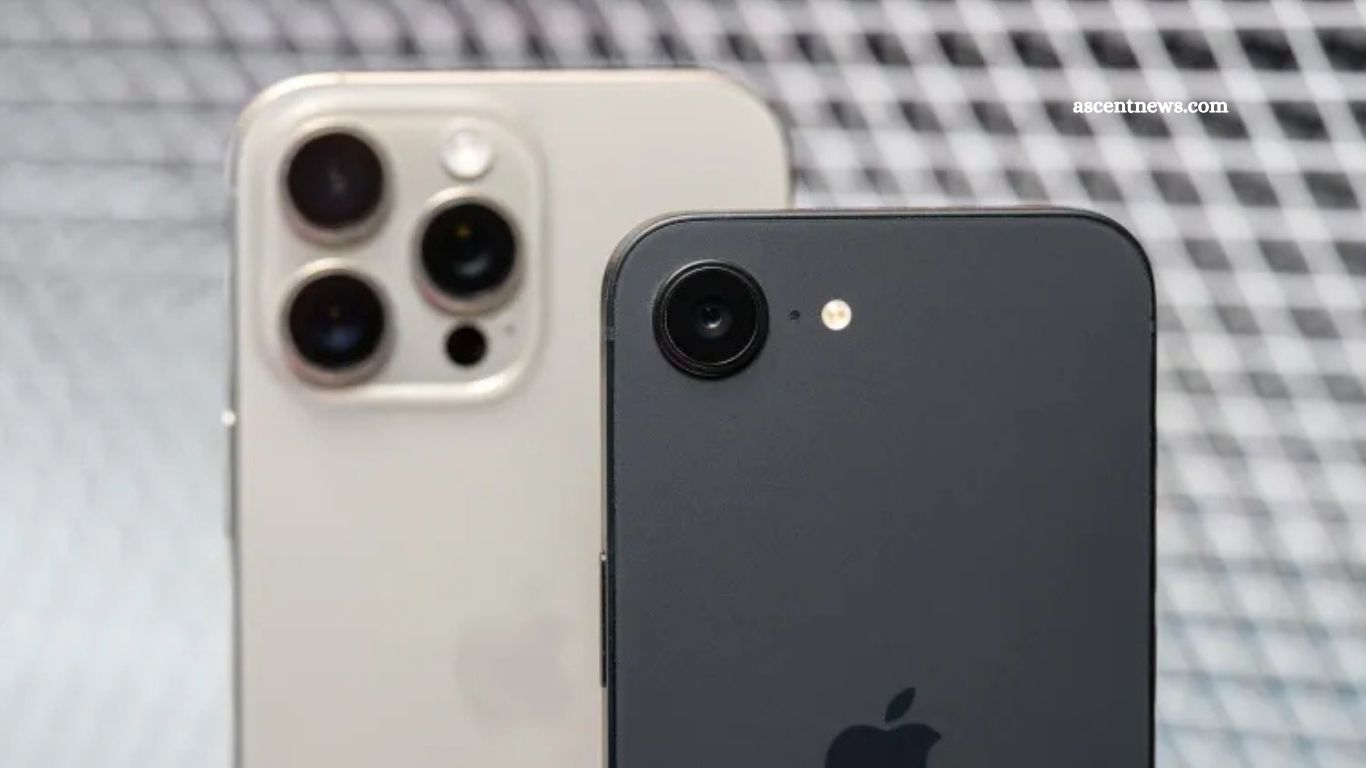
Apple Inc. is feeling the financial pressure from tariffs implemented during the Trump administration. According to CEO Tim Cook, the tech giant expects to incur an additional $1.1 billion in costs due to these tariffs in the September quarter alone. This estimate adds to the $800 million Apple already spent in the June quarter, highlighting the persistent financial burden imposed by U.S. trade policies.
During a recent earnings call, Cook provided insight into how these tariffs—largely tied to the International Emergency Economic Powers Act (IEEPA)—are affecting Apple’s global operations. Though the company had initially projected June quarter costs to reach $900 million, actual expenses came in slightly lower. Still, the numbers remain significant, with much of the burden stemming from early-year tariffs related to China.
Apple’s Global Supply Chain Under Pressure
Apple’s supply chain spans several countries, but it remains deeply connected to China—a primary target of the Trump-era trade war. While efforts to diversify manufacturing have ramped up in recent years, the tariffs continue to take a toll. Cook explained that most iPhones sold in the U.S. are now assembled in India, and that Apple has shifted much of its Mac, iPad, and Apple Watch production to Vietnam.
These moves are part of Apple’s broader strategy to reduce reliance on Chinese manufacturing amid mounting geopolitical tensions and financial uncertainties. Despite diversification efforts, tariffs still apply to many of Apple’s imported devices, driving up costs and affecting profit margins.
Read More: Uber Eats Integrates AI into Menus, Food Photos, and Reviews
Trump’s Tariff Legacy Still Influencing Policy
Although former President Donald Trump is no longer in office, the tariff structures he put in place remain largely intact. Trump’s administration launched a series of tariffs targeting Chinese goods as part of a broader trade war aimed at reducing the U.S. trade deficit and challenging China’s trade practices. Apple, with its extensive manufacturing footprint in Asia, became one of the many American companies caught in the crossfire.
Trump has previously pressured Apple to shift production to the United States, suggesting that failure to do so could result in even steeper tariffs. While Apple has made some moves toward domestic assembly—including producing the Mac Pro in Texas—large-scale U.S. production remains limited due to higher labor costs and infrastructure challenges.
Financial Performance Remains Strong
Despite the cost pressures, Apple reported impressive financial results. In the April to June quarter, the company’s revenue rose 10 percent year-over-year to $94 billion. iPhone and Mac sales remained strong, signaling continued consumer demand and market resilience.
Cook noted that while tariffs present a challenge, they are just one of many factors influencing the company’s global operations. “There are many factors that could change, including tariff rates,” he stated, acknowledging the uncertain trade landscape moving forward.
Apple’s ability to post strong earnings despite rising costs demonstrates the strength of its brand, loyal customer base, and global market reach. However, continued tariff-related expenses could influence pricing strategies, supply chain decisions, and long-term investment plans.
Apple’s Manufacturing Strategy: A Closer Look
Apple has long relied on a highly efficient, global supply chain that maximizes cost-effectiveness and scalability. China has traditionally played a central role, offering both infrastructure and workforce size to support Apple’s production needs. However, in recent years, geopolitical risks and rising labor costs have forced the company to diversify.
India has emerged as a key manufacturing hub for iPhones, thanks in part to government incentives and favorable trade policies. Meanwhile, Vietnam has taken on a greater share of Apple’s smaller device production, such as the Apple Watch and iPads.
Despite these shifts, the company’s transition away from China is complex and gradual. Key suppliers like Foxconn and Pegatron still operate large-scale facilities in China, and Apple remains dependent on Chinese factories for many components and final assembly tasks.
Will Tariffs Affect Product Pricing?
A major concern for consumers and analysts alike is whether these added costs will translate into higher retail prices for Apple products. So far, Apple has managed to absorb most of the tariff-related expenses without significant price hikes. However, if tariffs continue or escalate, that may no longer be sustainable.
Apple’s premium pricing model and brand loyalty offer some flexibility, but the company must balance profitability with market competitiveness. With inflation already impacting consumer behavior, even small price increases could affect demand, particularly in international markets where currency fluctuations come into play.
Policy Shifts and Future Outlook
The future of U.S. tariff policy remains uncertain. While the Biden administration has reviewed Trump-era tariffs, many remain in place, especially those related to China. Ongoing trade negotiations and the potential return of Trump to office in the 2024 election could lead to further policy shifts that impact Apple and other tech giants.
Apple is likely to continue lobbying for tariff relief or adjustments, emphasizing the economic benefits it brings through job creation, infrastructure investment, and consumer innovation. In parallel, it will likely accelerate efforts to de-risk its supply chain, not only by geographic diversification but also through automation, nearshoring, and local partnerships.
Frequently Asked Questions
Why is Apple claiming Trump-era tariffs are increasing its costs?
Apple states that tariffs imposed during the Trump administration are adding approximately $1.1 billion in costs for the September quarter alone. These tariffs, particularly those on Chinese imports, are impacting Apple’s global supply chain and manufacturing operations.
Which Apple products are affected by the tariffs?
Products such as iPhones, iPads, MacBooks, and Apple Watches are affected, especially those assembled in countries like China and imported into the U.S. Apple has shifted some production to India and Vietnam to mitigate the impact.
Are the tariffs still in effect after the Trump administration?
Yes, many of the tariffs introduced during Trump’s presidency remain in place. The Biden administration has maintained several of these measures while reviewing U.S.-China trade policies.
Will the tariffs cause Apple to raise product prices?
So far, Apple has absorbed most of the tariff-related costs without significantly increasing retail prices. However, continued or escalating tariffs could eventually lead to higher prices for consumers.
How is Apple responding to the tariff challenges?
Apple is diversifying its supply chain by shifting manufacturing from China to countries like India and Vietnam. The company is also investing in automation and regional partnerships to reduce dependency on any single market.
Did Apple predict the cost impact accurately?
Apple initially estimated around $900 million in tariff-related costs for the June quarter but reported slightly less—$800 million. The current estimate for the following quarter has risen to $1.1 billion.
Could Apple move manufacturing back to the U.S. to avoid tariffs?
While Apple has produced some products in the U.S. (e.g., Mac Pro in Texas), large-scale domestic manufacturing faces challenges like higher labor costs, limited infrastructure, and supply chain complexities.
Conclusion
Apple’s announcement highlights the significant financial strain imposed by lingering Trump-era tariffs. With an additional $1.1 billion in projected costs for a single quarter, the tech giant is navigating a complex trade environment that continues to impact its global supply chain and pricing strategies. Despite diversifying manufacturing to countries like India and Vietnam, Apple remains vulnerable to U.S.-China trade tensions.