

Certainly! Here’s a professionally rewritten and SEO-optimized version of the article. It’s more concise (approximately 30% shorter), structured with clear headings for readability, written in active voice, and optimized for search engines using relevant keywords like “Microsoft,” “OpenAI,” “AI partnership,” “AI models,” and “cloud computing.”
Inside the Fractured Microsoft–OpenAI Partnership
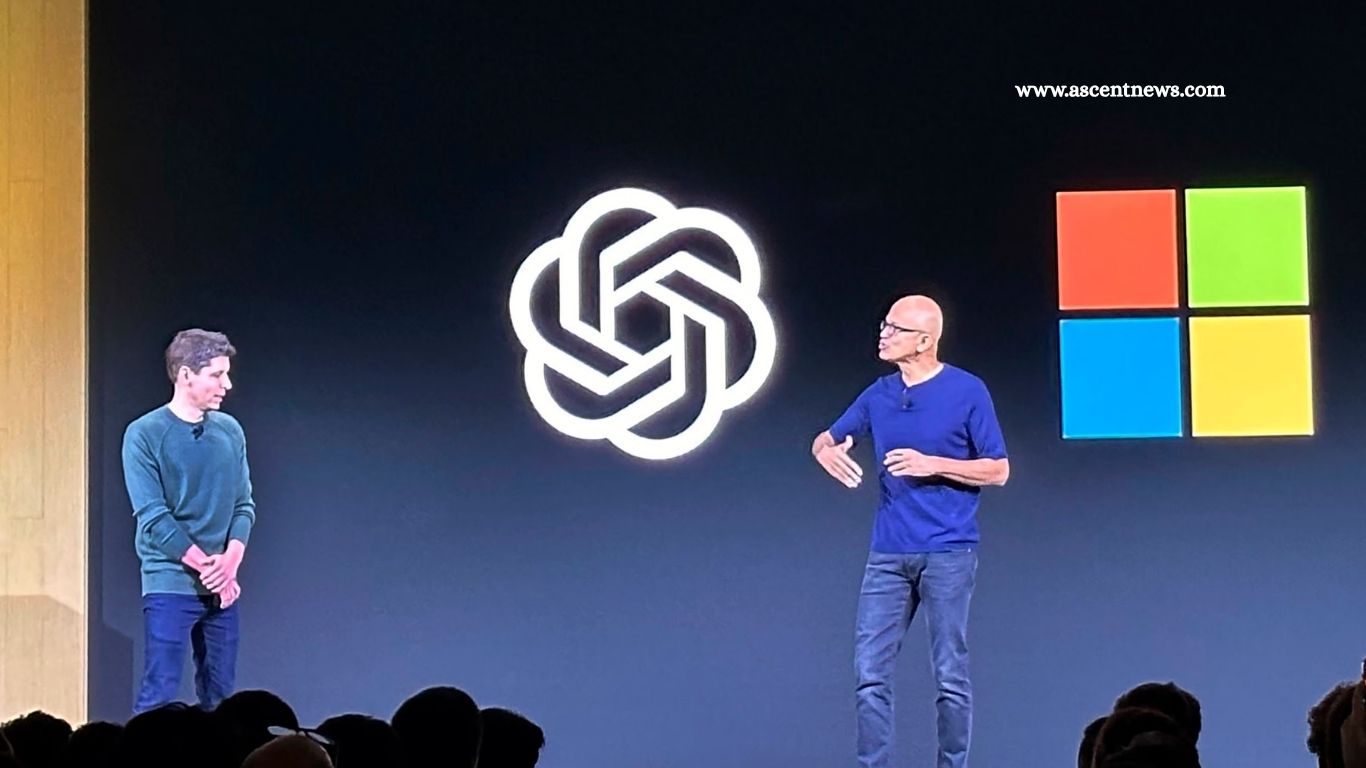
Microsoft’s $13 billion investment in OpenAI may look solid on stage, with CEOs Satya Nadella and Sam Altman sharing smiles and photo ops, but behind the scenes, the relationship is showing serious cracks. Over the past year, growing friction has emerged as OpenAI pushes for greater autonomy, while Microsoft seeks to protect its strategic AI interests.
Read More: Adobe Unveils New Computational Photography Camera App for iPhone
Rising Tensions Over Control and Compute Power
OpenAI is fighting for more compute resources and reduced reliance on Microsoft’s cloud services. Earlier this year, Microsoft agreed to relinquish its exclusive cloud provider status, but OpenAI still needs Microsoft’s consent to convert part of its business to a for-profit model—a point of major contention.
In a dramatic twist, OpenAI has reportedly considered accusing Microsoft of anticompetitive behavior. At the heart of the issue is OpenAI’s attempt to acquire Windsurf, an AI coding tool, and its demand to exclude the acquisition from existing Microsoft contracts. Such a move could trigger regulatory scrutiny into Microsoft’s AI deals under both FTC and DOJ investigations.
A Tangled Web of Revenue Sharing
The Microsoft–OpenAI partnership is not just strategic—it’s deeply financial. Microsoft receives 20% of revenue from OpenAI’s API and ChatGPT, while paying OpenAI the same cut from its Azure OpenAI Service. A lesser-known agreement ties OpenAI to Microsoft’s Bing and Edge advertising revenue: if ad revenue grows by 15% year-over-year, OpenAI receives up to 20% in shared profits.
Despite Microsoft’s extensive investment, OpenAI is far from profitable. Microsoft holds rights to up to 49% of future profits, but it also shares in current losses. OpenAI is now attempting to renegotiate these terms, proposing Microsoft trade its profit cap for a 33% stake in a restructured entity.
AGI Clause and Strategic Shifts
A critical clause in Microsoft’s contract states that its rights to OpenAI’s profits and technology dissolve upon the achievement of artificial general intelligence (AGI). That clause, along with revenue-sharing complexities, is prompting OpenAI to seek more favorable terms as it aims for technological breakthroughs.
Meanwhile, Microsoft has been diversifying its AI strategy—hedging against potential fallout.
Fallout from Altman’s Ouster and the Shift Toward Independence
In November 2023, OpenAI’s board briefly fired Sam Altman, triggering a rapid response from Microsoft, whose stock dipped immediately. Nadella moved fast, announcing that Microsoft would hire Altman, cofounder Greg Brockman, and others to form a new advanced AI research team. Altman was quickly reinstated, but the episode reportedly damaged Microsoft’s confidence in OpenAI’s leadership.
Since then, Nadella has pushed Microsoft’s internal teams to host alternative models through Azure AI Foundry—offering access to AI tools beyond OpenAI’s, such as DeepSeek’s R1 and xAI’s Grok 3. Microsoft is rapidly building what it calls an “AI agent factory,” positioning Azure as a home for the most advanced models from across the industry.
Microsoft Eyes Its Own AI Models
Microsoft’s strategy goes beyond hosting alternatives. Under the leadership of Mustafa Suleyman—cofounder of DeepMind and now CEO of Microsoft AI—the company is actively developing its own models. While replacing OpenAI’s tech is a long-term goal, progress with small language models like Phi signals intent. These compact models can even run locally on Copilot+ PCs, reducing reliance on cloud-based services.
Competitive Pressures and Future Direction
Microsoft has begun viewing OpenAI not just as a partner but also as a rival. OpenAI’s release of GPT-4o—a faster, free model—reportedly surprised Microsoft and undercut Azure’s paid AI offerings. Both companies now sell to enterprise clients: OpenAI offers ChatGPT Team and Enterprise, while Microsoft pushes Microsoft 365 Copilot.
In a recent internal town hall, Nadella emphasized learning from OpenAI’s innovations to shape Microsoft’s future cloud services. His message was clear: Microsoft must evolve to compete, even if it means mirroring its biggest AI partner.
Frequently Asked Questions
What is the nature of Microsoft’s investment in OpenAI?
Microsoft has invested approximately $13 billion in OpenAI through a combination of cash, cloud computing credits, and infrastructure support. This partnership includes revenue-sharing agreements and deep integration of OpenAI’s models into Microsoft products like Azure and Microsoft 365 Copilot.
Why is there tension between Microsoft and OpenAI?
Tensions stem from disagreements over control, compute access, and profit-sharing. OpenAI wants more autonomy and the ability to restructure its business, while Microsoft aims to protect its substantial investment and strategic position in AI.
What is the significance of the Windsurf acquisition?
OpenAI’s potential acquisition of Windsurf, an AI coding tool, is reportedly a point of conflict. OpenAI wants the acquisition excluded from its Microsoft contract, raising concerns about potential antitrust violations and sparking regulatory interest.
How do Microsoft and OpenAI share revenue?
Microsoft receives 20% of OpenAI’s revenue from products like ChatGPT and APIs, while also paying OpenAI a similar percentage from Azure OpenAI services. There are additional incentives tied to Bing and Edge ad revenue, as well as complex profit-sharing clauses.
What happens if OpenAI reaches AGI (Artificial General Intelligence)?
If OpenAI achieves AGI, Microsoft’s rights to revenue and model access are nullified under a clause in their agreement. This makes the AGI milestone a key pivot point in their partnership.
Is Microsoft developing its own AI models?
Yes. Microsoft is actively developing proprietary models like the Phi series and hosting third-party models via Azure AI Foundry. The company is also investing in being a central hub for emerging AI tools, independent of OpenAI.
Are Microsoft and OpenAI now competitors?
Increasingly, yes. Microsoft listed OpenAI as a competitor in recent filings. Both are targeting enterprise customers with overlapping offerings—OpenAI with ChatGPT Team/Enterprise and Microsoft with 365 Copilot.
Why did the OpenAI board fire Sam Altman, and what was Microsoft’s reaction?
Altman was briefly fired by OpenAI’s board in 2023, triggering a major crisis. Microsoft responded quickly, offering him and key team members positions in a new internal AI division. Altman was later reinstated, but the episode shook trust between the companies.
Conclusion
As Microsoft continues investing in alternative AI models and expanding Azure’s offerings, its alliance with OpenAI grows more fragile. The two companies remain deeply linked, but strategic interests are pulling them apart. Whatever comes next, Nadella’s track record shows Microsoft will continue to strike bold partnerships—even if that means preparing for a future without OpenAI.