

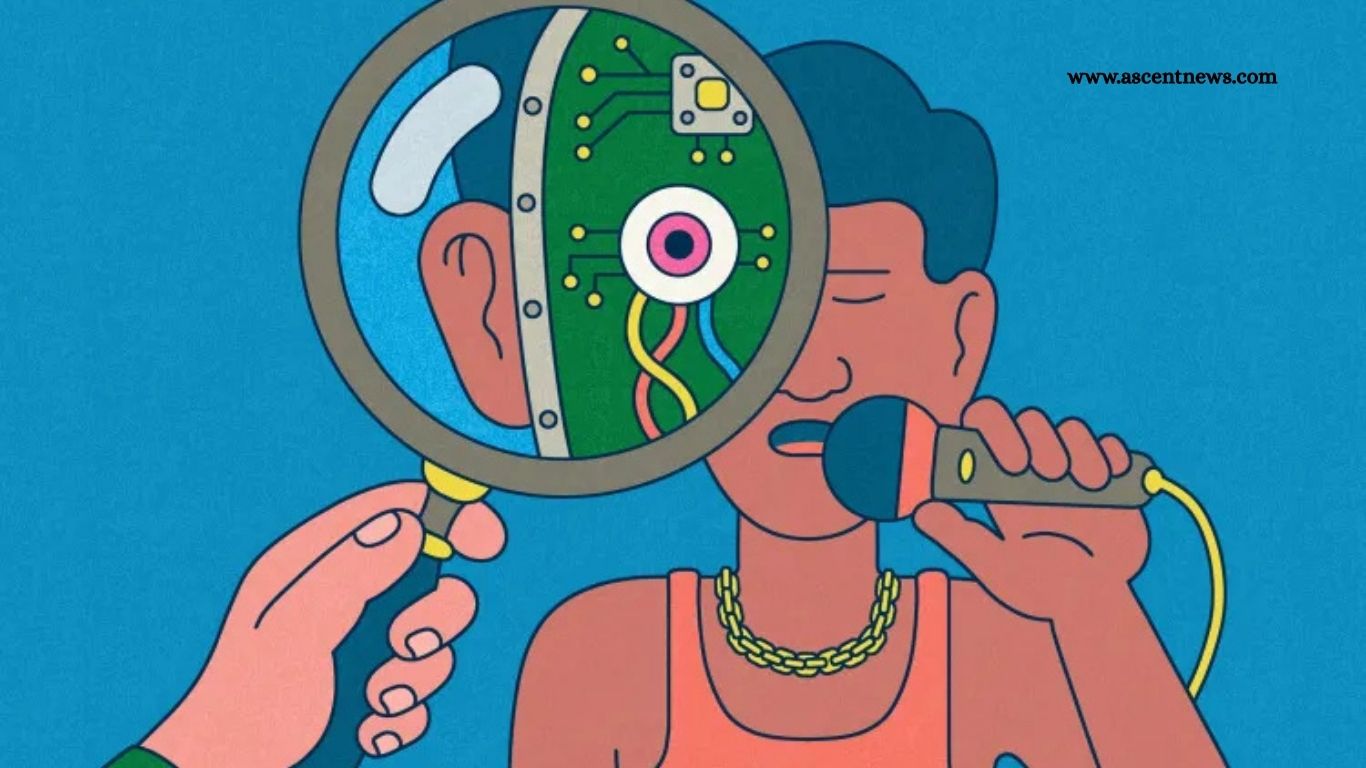
The music industry’s worst fears came true in 2023 when a fake Drake–The Weeknd duet, Heart on My Sleeve, went viral. The AI-generated track amassed millions of streams before anyone could trace its origin, exposing how little control the industry had over synthetic content.
In response, companies are quietly building new infrastructure to make AI-generated music traceable—not to ban it, but to monitor it. Detection tools are now being integrated across the music pipeline: from model training and song uploads to licensing databases and discovery algorithms. The aim is early identification, metadata tagging, and controlled distribution of synthetic audio.
“You can’t keep reacting to every new track or model,” says Matt Adell, cofounder of Musical AI. “You need built-in infrastructure that scales from training to distribution.”
Read More: Top 6 New Android 16 Features You’ll Instantly Love
The goal isn’t takedowns, but licensing and control
Startups are rapidly emerging to embed AI detection into music licensing workflows. Platforms like YouTube and Deezer now use internal systems to flag synthetic audio at upload, shaping how it appears in search and recommendations. Companies such as Audible Magic, Pex, Rightsify, and SoundCloud are expanding detection, moderation, and attribution tools across training data and distribution.
This has created a fragmented but fast-growing ecosystem treating AI content detection as essential infrastructure—not just an enforcement tool.
Instead of reacting after AI music spreads, firms like Vermillio and Musical AI tag synthetic elements at creation. Their systems scan finished tracks for AI-generated components and embed that data in metadata.
Vermillio’s TraceID takes it further, breaking songs into stems—vocals, melodies, lyrics—to flag mimicry at a granular level. It enables platforms and rights holders to detect even partial imitations.
Rather than focusing on takedowns, Vermillio promotes authenticated licensing. TraceID aims to replace legacy systems like YouTube’s Content ID, offering deeper detection. Vermillio projects the market for authenticated AI licensing could soar from $75 million in 2023 to $10 billion by 2025.
“We’re trying to quantify creative influence, not just catch copies.”
Some companies are moving further upstream, analyzing AI training data to estimate how much a generated track borrows from specific artists or songs. This attribution enables more precise licensing, with royalties tied to creative influence rather than post-release disputes. Echoing cases like the Blurred Lines lawsuit, the difference now is that licensing can happen before a track is released—not after litigation.
Musical AI is developing a system that tracks provenance across the entire music pipeline—from data ingestion to generation and distribution. “Attribution shouldn’t start when the song is done — it should start when the model starts learning,” says cofounder Sean Power. “We’re quantifying influence, not just catching copies.”
Deezer has also deployed internal tools to detect fully AI-generated tracks at upload, limiting their visibility in search and recommendations. By April, its system flagged about 20% of daily uploads—double January’s rate. Identified tracks remain on the platform but are deprioritized. Labeling for users is expected soon. “We’re not against AI,” says Chief Innovation Officer Aurélien Hérault. “But a lot of this content is created in bad faith to exploit the platform.”
Spawning AI’s DNTP (Do Not Train Protocol) pushes detection even earlier—at the dataset level. It allows artists to label their work as off-limits for model training. While visual creators already use similar opt-outs, music lags behind. Standardized consent and transparent licensing remain elusive. Critics argue the protocol won’t gain traction without nonprofit oversight and broad industry support.
“The opt-out protocol must be nonprofit and independently governed,” says technologist Mat Dryhurst. “We can’t trust consent to centralized, opaque companies that could disappear—or worse.”
Frequently Asked Questions
Why is the music industry concerned about AI-generated songs?
AI-generated music can mimic real artists without permission, leading to copyright issues, loss of creative control, and potential revenue loss. Viral examples like Heart on My Sleeve highlighted how easily synthetic content can slip through traditional safeguards.
How is the industry detecting AI-generated music?
Platforms and startups are using AI detection tools that scan tracks for synthetic elements during upload, training, or distribution. These systems flag AI-generated audio, tag metadata, and help decide how (or if) the content is surfaced or licensed.
Which companies are leading in AI music detection technology?
Key players include Vermillio, Musical AI, Audible Magic, Pex, and platforms like YouTube, Deezer, and SoundCloud. Each is developing tools to identify, moderate, and license synthetic music at different stages of the music pipeline.
What is Vermillio’s TraceID and how does it work?
TraceID breaks down songs into individual elements (stems) like vocals, melody, and lyrics. It identifies which parts are AI-generated, enabling rights holders to detect imitation and manage licensing before the song is released.
Is the goal to ban AI-generated music?
No. The focus is on traceability, attribution, and ethical licensing—not censorship. The goal is to integrate synthetic music into the existing ecosystem with transparency and consent.
What is the Do Not Train Protocol (DNTP)?
Developed by Spawning AI, DNTP lets artists label their content as off-limits for AI training. It’s a proactive way for creators to control how their work is used in datasets for generative models.
Are streaming platforms taking action against AI music?
Yes. For example, Deezer has tools that detect fully AI-generated tracks and reduce their visibility in search and recommendations. These tracks remain on the platform but are not actively promoted.
Could AI-generated music ever be licensed fairly?
Yes. With the rise of attribution systems and dataset analysis, it’s becoming possible to license synthetic tracks based on creative influence. This could replace reactive lawsuits with proactive, transparent licensing deals.
Is there any regulation for AI music training or usage?
Currently, there’s limited regulation. However, growing industry pressure and public concern may lead to more structured legal frameworks for dataset consent, licensing, and transparency.
How can artists protect their music from being used in AI models?
Artists can use protocols like DNTP, push for stronger platform policies, and advocate for open licensing standards. Legal and technical tools are evolving to give artists more control over how their content is used in AI training.
Conclusion
As AI-generated music becomes more sophisticated and accessible, the music industry is rapidly evolving to keep pace. From upstream dataset protections to real-time detection tools, companies are building infrastructure to trace, tag, and responsibly manage synthetic content.
The focus isn’t on banning AI—but on ensuring transparency, consent, and fair licensing. With innovation from startups and major platforms alike, the future of music will likely be a blend of human creativity and AI, governed by smarter systems that protect both.