

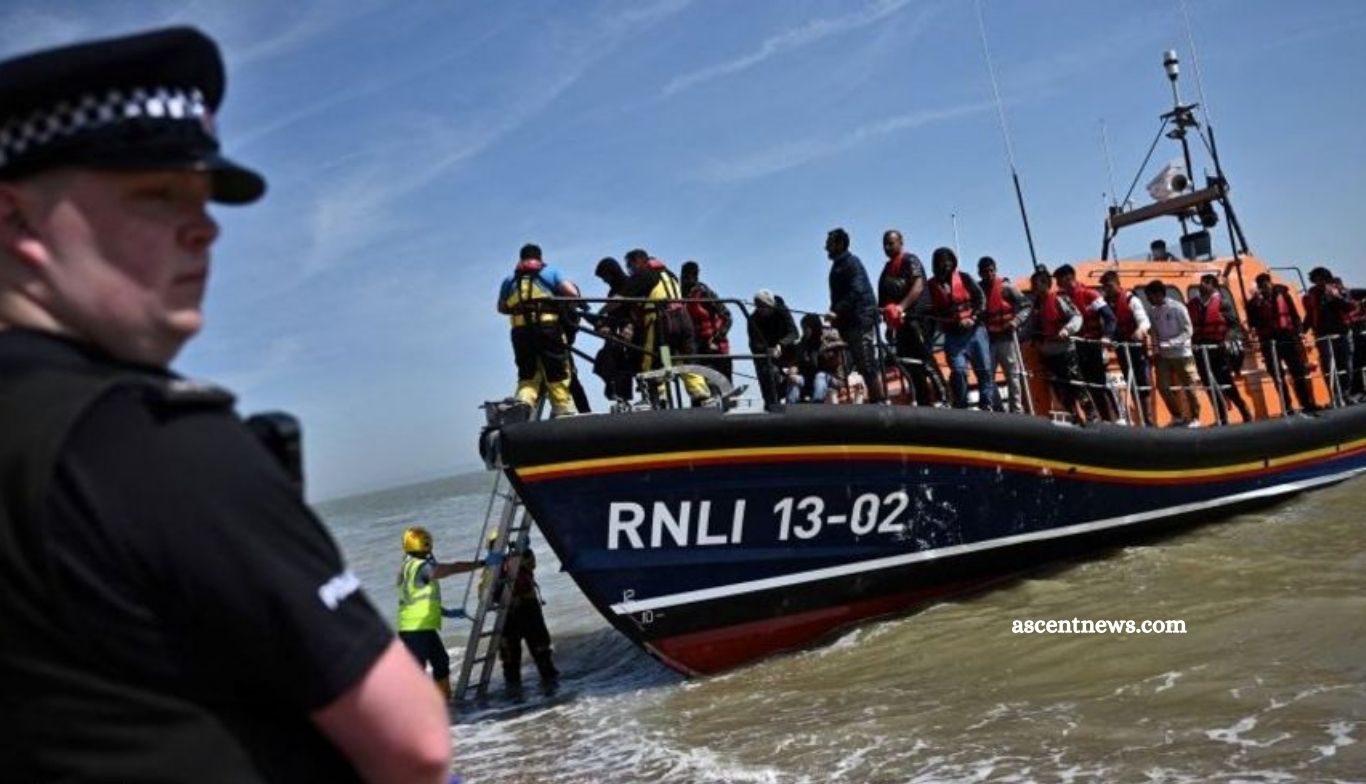
Immigration has long been a central and contentious issue in Britain’s political landscape, shaping media narratives and public opinion for decades. What once began as calls for border control has escalated into widespread fearmongering, misinformation, and demands for mass deportations. Despite the reality that legal migrants far outnumber illegal ones, political rhetoric and media coverage disproportionately focus on irregular arrivals, particularly small boat crossings.
This skewed narrative fuels a false sense of crisis, distorting public perception and empowering far-right movements. As Britain politicians, including Keir Starmer and others, exploit immigration fears to win votes, they deepen social divisions and neglect pressing issues like housing and the cost of living. Breaking this cycle requires honest, compassionate policies that prioritize truth and social cohesion over political expediency.
Misinformation Fuels Fear and Misconceptions
The common thread in Britain’s immigration debate is widespread misinformation. For years, I’ve highlighted the disconnect between public perception and the reality of how difficult and costly it is to migrate legally to the UK. A recent YouGov poll exposes this gap: half of respondents mistakenly believe illegal migrants outnumber legal ones, when in fact legal migrants far exceed irregular arrivals—even under generous estimates.
Read More: As the world hurtles ever closer to nuclear oblivion, where is the opposition?
The Shift Toward Demanding Mass Deportations
Over the past two decades, demands have escalated from calls for “border control” to demands for zero migrants and mass deportations of recent arrivals. This drastic change is notable; the last political figure openly endorsing deportations was far-right BNP leader Nick Griffin in the late 2000s. Recently, far-right protests have even called for “Remigration NOW,” highlighting the growing extremism in immigration rhetoric.
Media and Politics: Drivers of Anti-Immigration Sentiment
Right-wing media fuel this hysteria by shifting their focus depending on political trends—targeting Muslims in the 2010s, Eastern Europeans before Brexit, and now fixating on irregular arrivals, especially small boat crossings. This narrative feeds fears about border control and national security, despite Brexit making it harder for migrants to enter.
Politicians mirror this obsession. The previous government’s Rwanda deportation plan and Rishi Sunak’s “stop the boats” pledge, treated as a top priority alongside inflation and NHS waiting lists, reflect this trend. Keir Starmer’s “island of strangers” speech marked the start of Labour’s relentless anti-immigration messaging, with his social media heavily focused on irregular arrivals—even though they represent a tiny fraction of total immigration.
The Crisis Narrative Distorts Public Perception
This narrow focus on irregular migration cultivates a false sense of crisis and urgency. A University of Birmingham study found that media and political emphasis on “small boats” shapes public opinion, creating fear and emergency around immigration. The result is a dangerous cycle: politicians capitalize on immigration fears to appear decisive while deepening public ignorance.
The Political Spiral: Fueling Fear for Votes
Immigration hysteria is a low-cost political tactic with high social costs. Labour’s constant emphasis on immigration crises inadvertently strengthens far-right groups by validating harsh anti-immigration rhetoric. This fuels a vicious spiral where politicians chase fears they helped create, while structural issues like housing and cost of living remain unaddressed.
Frequently Asked Questions
Why is immigration such a big issue in UK politics?
Immigration has become a focal point in UK politics due to long-standing media coverage, public fears, and political rhetoric that often exaggerate challenges related to border control and migrant numbers.
Are there more illegal migrants than legal migrants in the UK?
No. Legal migrants significantly outnumber illegal migrants in the UK, but public perception is often skewed due to misinformation and misleading media coverage.
What role does the media play in shaping immigration opinions?
Right-wing media frequently highlight immigration negatively, focusing on irregular arrivals and border control to create a sense of crisis and influence public opinion.
How has political discourse on immigration changed recently?
Political demands have shifted from managing migrant numbers to calls for zero immigration and mass deportations, reflecting increasing hardline rhetoric.
What is the “small boats” narrative about immigration?
It refers to the media and political focus on irregular migrants arriving via small boats across the English Channel, often portrayed as a crisis threatening border security.
How does the immigration debate affect social cohesion in the UK?
Fear-driven immigration debates can increase social divisions, stigmatize migrant communities, and distract from broader social and economic challenges.
What impact does immigration hysteria have on policy-making?
It leads to harsh policies focused on deterrence and deportation rather than comprehensive, humane immigration solutions.
Conclusion
Britain’s immigration debate has become a cycle fueled by misinformation, fear, and political opportunism. Despite the facts showing legal migrants vastly outnumber irregular arrivals, media and political rhetoric continue to exaggerate the issue, creating a false sense of crisis. This distortion harms social cohesion and empowers extreme voices, while real challenges like housing and the cost of living remain overlooked.