

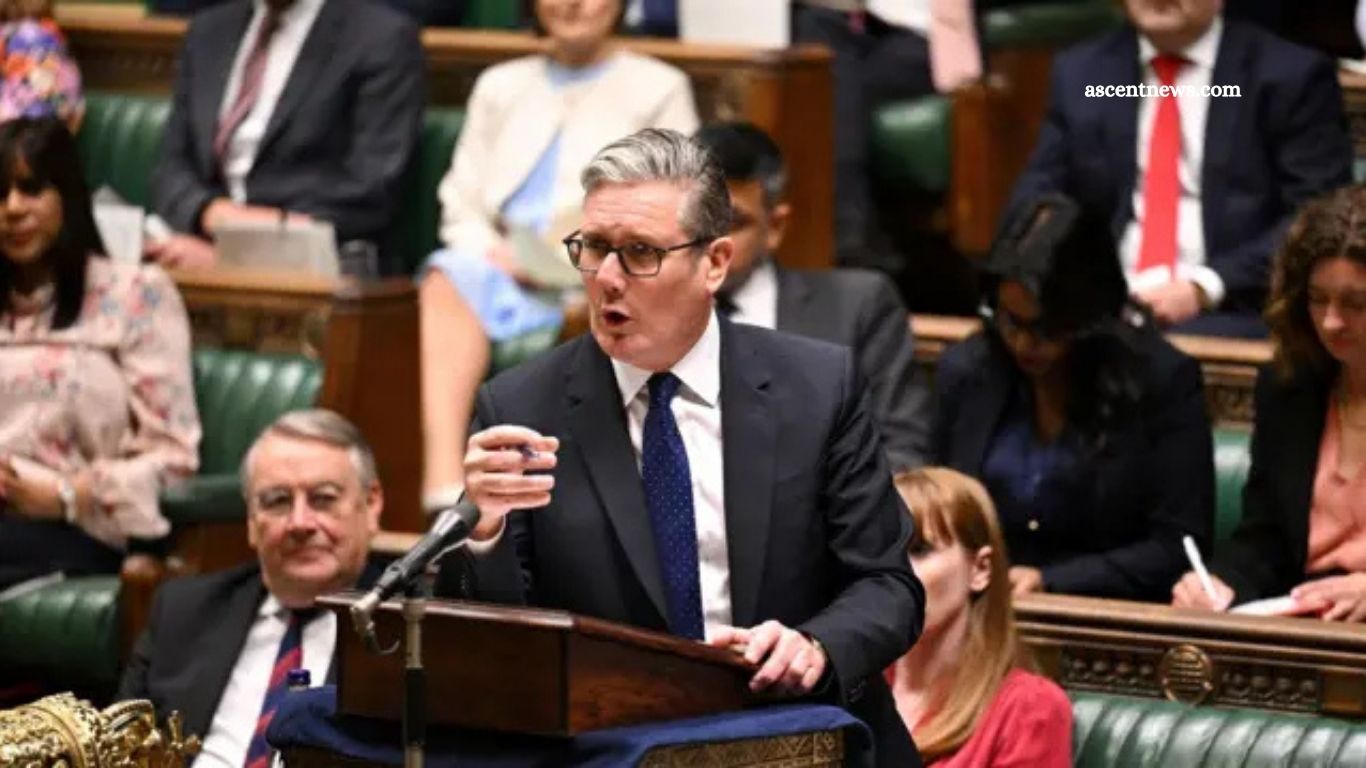
In politics, acknowledging public frustration often comes too late. After setbacks—whether at the ballot box or in Parliament—ministers emerge with solemn expressions, assuring voters they are “listening.” But by the time a rebellion forces their hand, the damage is already done. Labour’s recent internal revolt over disability benefit cuts illustrates this point with painful clarity.
The Starmer leadership’s failure to anticipate backbench fury over planned welfare reforms nearly derailed a key bill. Though the legislation scraped through, it was visibly battered, saved only by rushed last-minute concessions and mounting disarray in Downing Street. Forty-nine Labour MPs still voted against it, defying the whip and signaling a deeper crisis of confidence.
The Disconnect Between Policy and Principle
At the heart of the rebellion lies a fundamental disconnect: Labour’s top brass underestimated the emotional and moral stakes for its MPs when it comes to disability rights. Stripping financial support from vulnerable people was always going to spark outrage. Framing it as fiscal responsibility only deepened suspicion that compassion was being sacrificed for Treasury targets.
This miscalculation didn’t arise in isolation. Many Labour MPs and supporters have long feared that Keir Starmer’s cautious centrism is out of step with the values that energize the party’s base. Critics argue that his message is too sanitized, too focused on not scaring off swing voters—especially in former Conservative strongholds—and too vague about Labour’s long-term vision for the country.
Read More: Speaking Out Against Power Abuse: Why Palestine Action’s Paint Protests Aren’t Terrorism
From Victory to Vulnerability: How Labour Squandered Momentum
Starmer’s landslide election victory seemed to herald a new era. Yet just a year later, disillusionment is creeping in. A lack of bold policy detail during the campaign was forgiven in the name of pragmatism. But now, as discontent grows, that ambiguity feels more like a void. The coalition that voted Labour in to oust the Tories wasn’t necessarily voting for anything specific—and that vacuum is starting to matter.
The result? A fractured left. Disillusioned voters are drifting to the Greens or returning to independent candidates. Even Liberal Democrats, potential allies in a progressive alliance, sense opportunity in Labour’s current confusion. And as Labour’s poll numbers dip, Nigel Farage and Reform UK grow louder on the populist right.
An Exposed Left Flank and a Misread Public
Labour strategists believed their biggest threat was on the right, especially from former Brexit voters. Hence, Starmer’s studied silence on Europe, his hard stance on immigration, and his efforts to sound “tough but fair.” But while trying to appeal to red wall voters flirting with Reform, the leadership has alienated key progressive constituencies—urban liberals, young voters, and ethnic minorities.
Polling tells a compelling story. A survey commissioned by Democratic strategist Stanley Greenberg found 15% of Lib Dem voters and 10% of Greens are open to backing Labour. Just 3% of Conservatives and a mere 1% of Reform voters say the same. Clearly, Starmer’s best path to a second term lies not in wooing Farage’s base but in keeping liberal-left voters energized and onside.
Recalibrating the Message: What Voters Really Want
Contrary to popular political myth, voters don’t expect ideological purity—they expect clarity, consistency, and results. Greenberg’s poll identifies the top public concerns: the NHS, the cost of living crisis, and immigration. Climate change also ranks high, particularly when linked to economic benefit, such as lower energy bills or green job creation.
Opportunities abound for Starmer to champion progressive policies without alienating the broader public. Emphasizing climate action, standing firm on defending democratic institutions, and showing global leadership—especially in contrast to figures like Donald Trump—could reframe Labour as a moral and practical force.
Strategic Clarity Needed: Who Is the Real Opponent?
Internally, Starmer’s team now sees Farage, not the Tories, as the primary adversary. That’s a logical read of today’s political map: a populist-nationalist surge on one side, and a liberal-progressive bloc—Labour, Lib Dems, and Greens—on the other. But to lead that alliance effectively, Starmer must inspire it.
Labour can’t win future elections by default. If its traditional supporters stay home or defect, hoping others will stop Farage or the Tories, Labour may still suffer losses. Mobilization, not just moderation, is the key to victory.
Course Correction Required: A Year Into Government
As Labour marks its first anniversary in office, introspection is unavoidable. Investments in public services—healthcare, housing, transport—should be scoring political points. But these gains are being drowned out by frustration over perceived betrayals, such as welfare cuts.
Starmer doesn’t need to become a radical to secure Labour’s future. But he must stop provoking unnecessary rebellions and start offering a clear, inclusive vision. He must balance electoral strategy with moral clarity—and pick fights he can actually win.
Frequently Asked Questions
Why did Labour MPs rebel against the welfare bill?
They opposed cuts to disability benefits, arguing they contradict Labour’s commitment to social justice. The leadership’s lack of consultation and clarity intensified dissent.
Did the bill fail to pass?
No, the bill passed—but narrowly. It was salvaged by late concessions, though it left Labour’s unity visibly shaken.
Why is Keir Starmer under criticism?
Critics say he lacks a compelling vision and has failed to energize Labour’s base, leading to declining support despite a strong electoral start.
Who is Labour’s main rival now—Tories or Reform UK?
Strategically, Labour sees Reform UK and Nigel Farage as its primary threat, especially in red wall constituencies where Reform is gaining traction.
What are voters’ biggest concerns in 2025?
Top issues include the NHS, the cost of living, immigration, and climate change. Voters want practical solutions, not just slogans.
Can Labour appeal to both swing voters and the progressive left?
Yes, but it requires nuanced messaging—pragmatic on economics and immigration, bold on climate and democratic values.
What role do Lib Dem and Green voters play in Labour’s future?
They are crucial. Polls show many are open to backing Labour if the party reaffirms progressive values and avoids antagonizing allies.
Is Starmer likely to change course?
There are signs he might. The backlash over benefit cuts and new polling data could push Labour toward a more inclusive and progressive stance.
Conclusion
Keir Starmer is no longer the opposition leader with a single mission of defeating the Tories. He is now the prime minister, entrusted with shaping Britain’s future. That requires more than tactical positioning. It demands vision.
Labour still has a mandate. But if it continues to alienate its core supporters while chasing voters who remain out of reach, that mandate could quickly dissolve. The road to 2029 will not be won with risk-averse messaging or delayed decision-making.
If Starmer wants to lead a united progressive movement—and shield the country from the chaos of populism—he must reconnect with Labour’s heart, not just its head. That means listening, yes—but more importantly, acting decisively before the next rebellion catches him off guard again.