

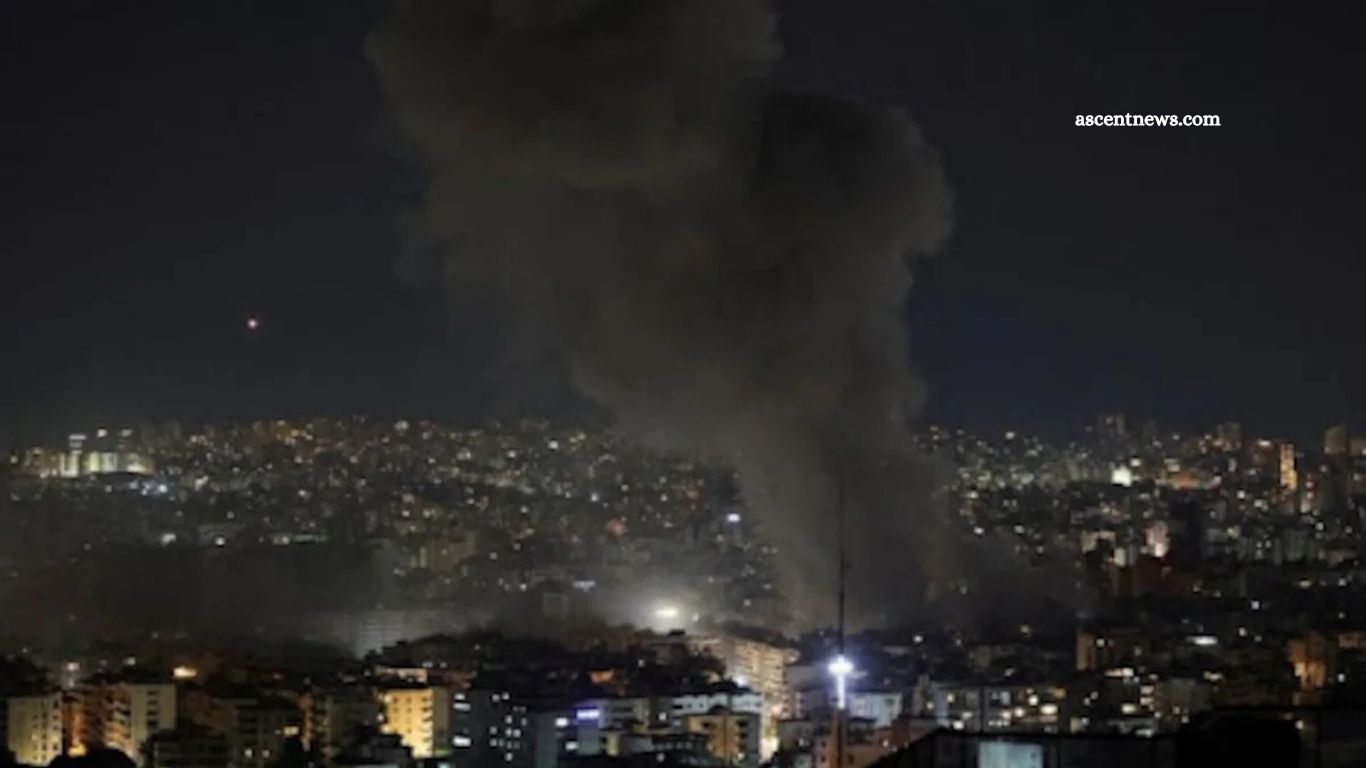
Iran’s preferred method of execution is hanging, though brutal alternatives like stoning and crucifixion remain in use under its strict theocracy. Hanging is often slow and agonizing, involving strangulation that can last several minutes. According to the United Nations, over 600 executions have taken place in Iran so far this year, marking the highest execution rate per capita globally. Since the US and Israeli strikes in June, a growing number of those executed have been political dissidents.
The Aftermath of US and Israeli Military Strikes
More than fifty days after the illegal US and Israeli bombing raids—led by former President Donald Trump and Prime Minister Benjamin Netanyahu—no positive outcomes have emerged. Contrary to Trump’s claims, Iran’s nuclear facilities remain operational, and uranium enrichment continues unabated. The regime, far from collapsing as Netanyahu hoped, has grown more defiant under Supreme Leader Ayatollah Ali Khamenei, who has intensified crackdowns on political opponents, fueling an increase in executions.
Amnesty International condemned the recent hangings of political prisoners Behrouz Ehsani and Mehdi Hassani, linking their deaths to the increased repression following the attacks. Arrested in 2022 and accused of rebellion and “enmity against God,” both men endured torture and forced confessions in a five-minute trial. Amnesty described their execution as a ruthless attempt by authorities to crush dissent during a national crisis through fear.
Read More: Apple Committed to AI, Says Tim Cook
Crackdowns and Political Repression
Since June, hundreds of arrests have targeted suspected spies and collaborators, often based on flimsy evidence. The regime attributes intelligence failures—such as Israel’s successful bombing of a national security meeting that injured Iranian officials—to internal betrayal rather than incompetence. Parliament is pushing to expand capital punishment, with up to 60 political prisoners currently facing execution.
Despite the attacks killing an estimated 935 people, mostly civilians, and injuring over 5,000, Iran’s government has prioritized harsh repression over channeling public anger constructively. This approach has squandered an opportunity to unite nationalist sentiment and instead intensified international isolation.
Broader Consequences and International Reactions
The US-Israeli strikes have violated international law and the UN Charter, as noted by the BRICS nations. Tehran responded by suspending UN nuclear inspections, escalating tensions with the West and deepening divisions between the US and Europe. Ironically, these attacks have increased the likelihood that Iran will pursue nuclear weapons for self-defense.
Iran maintains it does not possess or seek nuclear arms, a claim not conclusively disproven by Israeli intelligence. The strikes were driven by fear and misinformation, causing damage without shifting Iran’s policies. President Trump’s subsequent threats of renewed attacks only underscore the failure of this aggressive strategy.
The Impact on Global Geopolitics
These aggressive acts embolden other rogue states, such as Russia, to believe they can attack with impunity. They reinforce Iran’s distrust of the West and strengthen its ties with China. Hardliners within Iran, favoring proxy wars and covert operations, have gained influence, deepening the country’s international isolation.
Historically, Western interference has contributed to Iran’s instability. Support for the Shah sparked the 1979 revolution, and persistent hostility from the US—rooted in events like the Tehran embassy siege—has entrenched divisions. Europe’s attempts to mediate have failed, and the 2018 US withdrawal from the Iran nuclear deal worsened the crisis. With wiser diplomacy, these outcomes might have been avoided.
Pathways to Peace and Cooperation
Amid ongoing tensions, peaceful nuclear cooperation in the Middle East remains achievable. Iranian former Foreign Minister Mohammad Javad Zarif has proposed a regional nuclear pact to promote stability.
Reflecting on the wisdom of Montesquieu, the 18th-century philosopher who foresaw the dangers of weapons of mass destruction, it is clear that global consensus on banning such arms is crucial. While nuclear weapons are outlawed in principle, enforcement is uneven. For genuine progress, the US and Israel must lead by example—reducing their own nuclear arsenals, halting threats of further attacks, and supporting diplomatic talks
Frequently Asked Questions
What were the main targets of the US and Israeli strikes on Iran?
The strikes primarily targeted Iran’s nuclear facilities and security infrastructure. However, the attacks failed to destroy critical nuclear sites or halt uranium enrichment.
Have the strikes weakened Iran’s regime?
No. Instead of weakening the regime, the strikes have strengthened Iran’s Supreme Leader Ayatollah Ali Khamenei’s position and intensified crackdowns on political opponents.
How have these attacks affected political prisoners in Iran?
Since the attacks, there has been a surge in executions of political dissidents. Many prisoners were arrested under accusations of espionage or rebellion, often after unfair trials and torture.
Did the US and Israeli strikes comply with international law?
No. The attacks violated the UN Charter and international law, prompting criticism from the BRICS nations and others in the global community.
What impact did the strikes have on Iran’s nuclear program?
The strikes have not stopped Iran’s nuclear program. In response, Iran suspended UN nuclear inspections and reaffirmed its commitment to uranium enrichment for civilian purposes.
How did the international community react to the US-Israeli actions?
The actions led to increased tensions globally, exacerbated divisions between the US and Europe, and encouraged Iran to deepen its alliances with countries like China and Russia.
What are the long-term geopolitical consequences of these strikes?
They have emboldened hardline factions within Iran, increased the risk of nuclear proliferation in the region, and encouraged other nations to challenge international norms through aggression.
Conclusion
The US and Israeli strikes on Iran have not only failed to achieve their intended goals but have also deepened tensions, fueling political repression and destabilizing the region further. Rather than dismantling Iran’s nuclear ambitions, these attacks have strengthened hardline elements and increased the risk of conflict. Despite this, a path to peace remains possible through renewed diplomacy, mutual trust, and regional cooperation.