

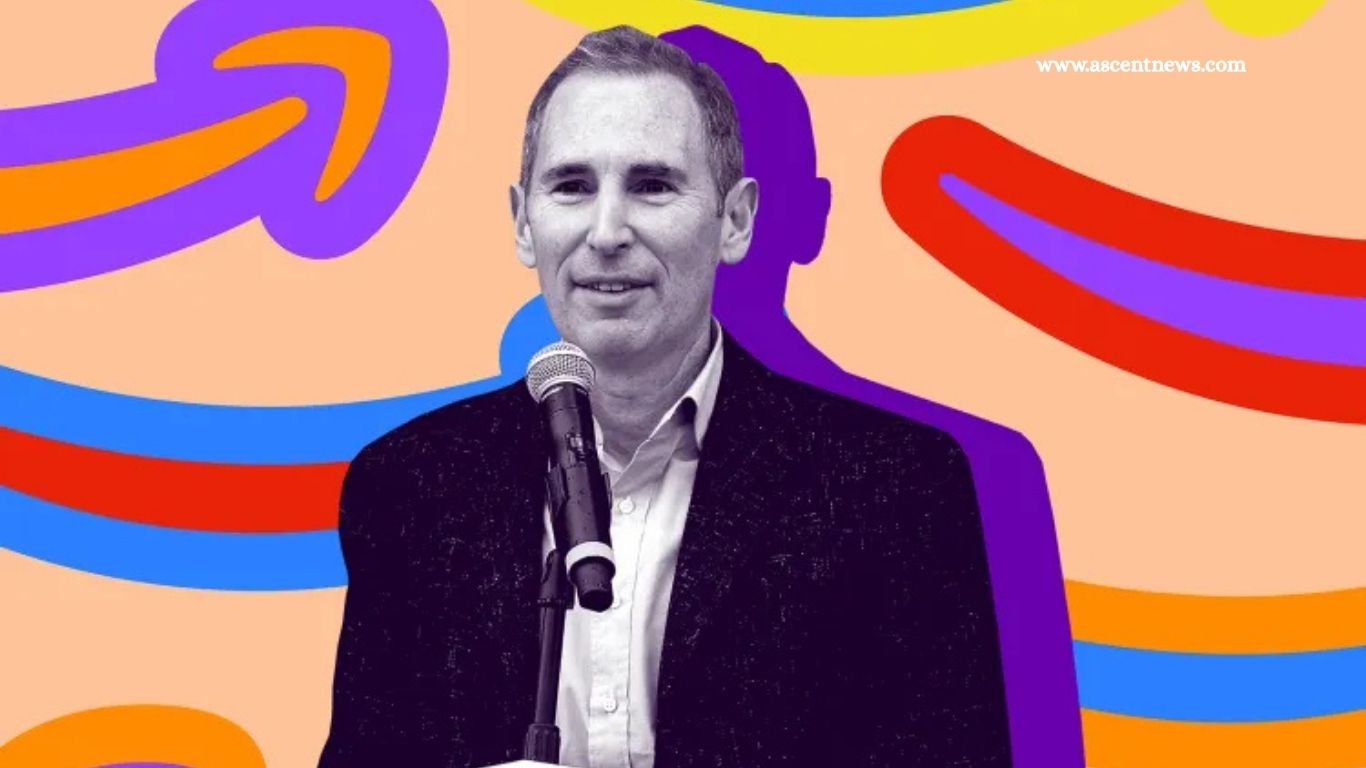
Amazon CEO Andy Jassy has officially confirmed that the company will reduce its corporate workforce in the coming years, attributing the decision to significant advancements in artificial intelligence (AI). In a memo to employees, Jassy emphasized that AI’s growing capabilities are reshaping how work is performed, increasing productivity while reducing the need for traditional roles.
AI Efficiency Driving Workforce Restructuring
Jassy’s statement highlights a pivotal shift in Amazon’s internal structure. As AI tools and agents become more integrated into daily operations, the company anticipates needing fewer employees to carry out tasks currently done by human teams.
“As we roll out more Generative AI and agents, it should change the way our work is done,” Jassy noted. “We will need fewer people doing some of the jobs that are being done today, and more people doing other types of jobs.”
This marks a major moment not only for Amazon but also for the broader corporate world, as companies increasingly leverage AI to streamline operations and cut costs.
Read More: Norbauer Seneca Review: Luxury $3,600 Keyboard for Hardcore Enthusiasts
Layoffs Not New — But the Reason Is Changing
Since 2022, Amazon has laid off over 27,000 employees, with cuts spanning its devices and services group and its books division. However, the recent message from Jassy introduces a distinct change in tone: these aren’t just routine workforce adjustments—they’re a direct result of AI adoption.
While no specific number of additional layoffs was disclosed, the implication is clear: AI is not just supporting human efforts; it’s replacing them in some cases.
AI-Powered Amazon: Over 1,000 Applications Already in Use
Jassy also revealed that Amazon is currently developing or has deployed more than 1,000 AI services and applications. These include tools designed to improve customer experiences, optimize logistics, support Alexa’s capabilities, and assist Amazon Web Services (AWS) clients.
- But, according to Jassy, that’s just the beginning.
- “It’s a small fraction of what we plan to build,” he said.
This rapid scaling of AI tools suggests that Amazon is positioning itself to be a global leader in AI integration across e-commerce, logistics, cloud computing, and customer service.
A Culture Shift: Employees Urged to Embrace AI
Jassy didn’t only address job cuts—he also encouraged Amazon employees to actively engage with AI technologies. He emphasized the importance of staying curious, learning how to use AI tools, and contributing to Amazon’s evolving AI ecosystem.
“Those who embrace this change, become conversant in AI, help us build and improve our AI capabilities internally and deliver for customers, will be well-positioned to have high impact and help us reinvent the company.”
This message is part opportunity, part warning: adapt or be left behind.
Amazon Joins a Growing Trend Among Tech Giants
Amazon’s approach isn’t unique. Other major tech companies have echoed similar sentiments in recent months:
- Shopify CEO Tobi Lütke instructed teams to justify new hires by proving AI couldn’t handle the task.
- Duolingo CEO Luis von Ahn announced plans to replace contract workers with AI, transitioning to an “AI-first” strategy.
- UiPath CEO Daniel Dines openly stated that AI agents will inevitably replace many jobs, urging professionals to re-skill.
This trend indicates a seismic shift in workforce management across the tech industry and beyond.
The Bigger Picture: AI and the Future of Work
Amazon’s shift reflects a broader transformation underway across industries. AI is no longer a futuristic concept—it’s an operational reality. Companies are moving quickly to harness AI’s potential, from automating repetitive tasks to driving strategic innovation. However, this progress comes with disruption.
Employees in all sectors will likely face increasing pressure to upskill or pivot into roles that complement AI systems. The demand for technical fluency, data literacy, and human-centric creative thinking will rise as machines take over more rule-based and operational tasks.
Frequently Asked Questions
Why is Amazon reducing its corporate headcount?
Amazon plans to cut jobs due to efficiency gains from AI technologies, which are increasingly able to automate tasks previously handled by employees.
How many employees will be affected by AI-related layoffs?
CEO Andy Jassy did not specify an exact number but suggested that the impact would unfold gradually over the next few years as AI adoption expands.
Are all job cuts related to AI?
No. While recent and upcoming cuts are tied to AI, Amazon has also laid off over 27,000 employees since 2022 for a variety of strategic reasons.
What kind of AI is Amazon implementing?
Amazon is using and developing over 1,000 AI services and applications, including generative AI tools, machine learning agents, and customer support solutions.
Will there be new job opportunities as a result of AI?
Yes. While some roles will be eliminated, others will be created to support AI development, integration, maintenance, and customer-facing innovations.
How can Amazon employees adapt to this AI shift?
Jassy recommends becoming proficient in AI tools, participating in internal AI development, and leveraging AI to increase productivity within smaller teams.
Is Amazon the only company replacing jobs with AI?
No. Companies like Shopify, Duolingo, and UiPath are also restructuring their workforces to prioritize AI efficiency and automation.
What does this mean for the future of corporate work?
It signals a transformative era where adaptability, technical skills, and AI literacy become essential for career survival and advancement.
Conclusion
Amazon’s announcement is more than just a corporate update—it’s a call to action. As AI reshapes job functions, employees must shift their focus toward agility, continual learning, and collaboration with intelligent systems.
Andy Jassy’s memo serves both as a warning and an invitation. Those who adapt will find themselves at the forefront of innovation; those who don’t may face obsolescence. As the AI era accelerates, the future of work belongs to the curious, the flexible, and the AI-fluent.